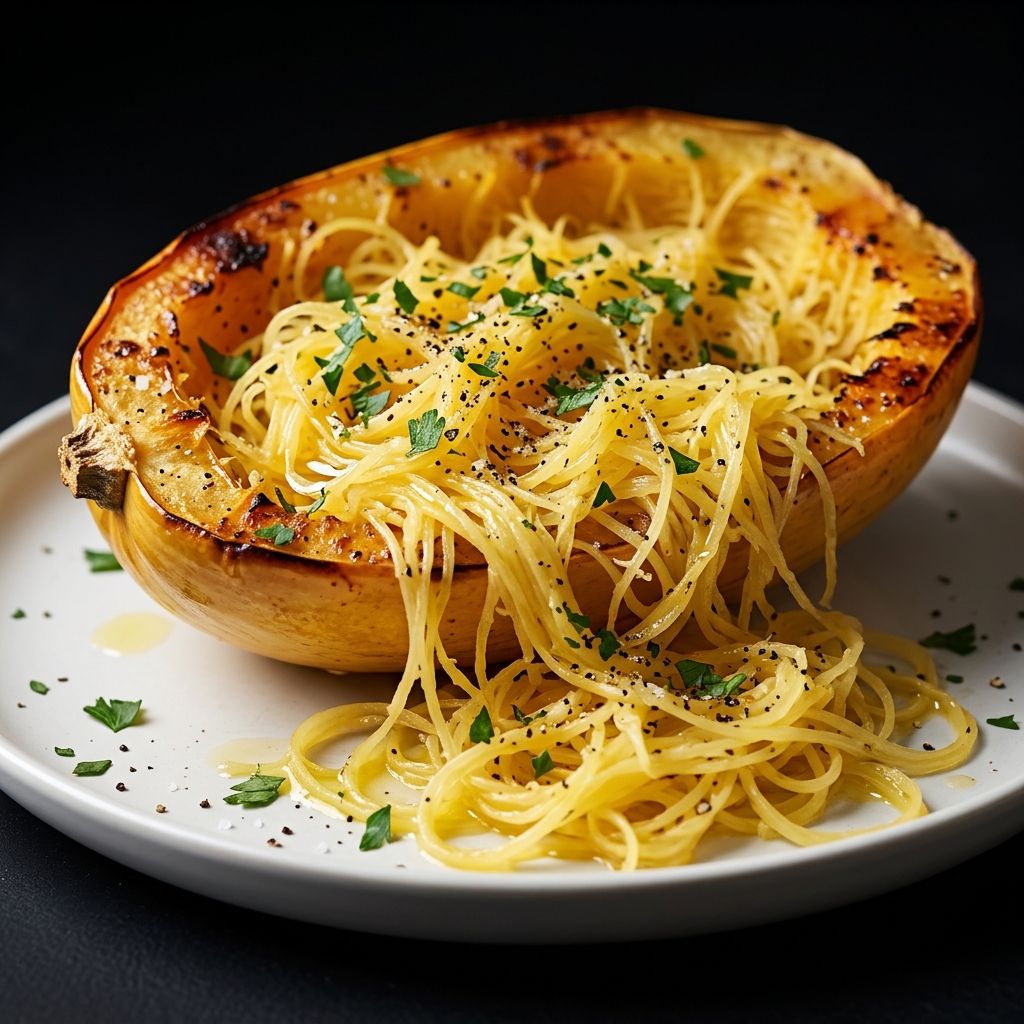
If you’re looking for a simple, delicious way to turn an ordinary vegetable into something truly special, this Easy Roasted Spaghetti Squash is worth adding to your recipe collection! With its naturally sweet flavor, tender golden strands, and beautifully caramelized edges, this oven-roasted favorite makes a wonderful alternative to traditional pasta. It’s easy to prepare, requires just a handful of everyday ingredients, and pairs beautifully with everything from roasted chicken to your favorite homemade sauces. Whether you’re cooking a healthy weeknight dinner or preparing vegetables ahead for the week, this recipe delivers incredible flavor with very little effort.
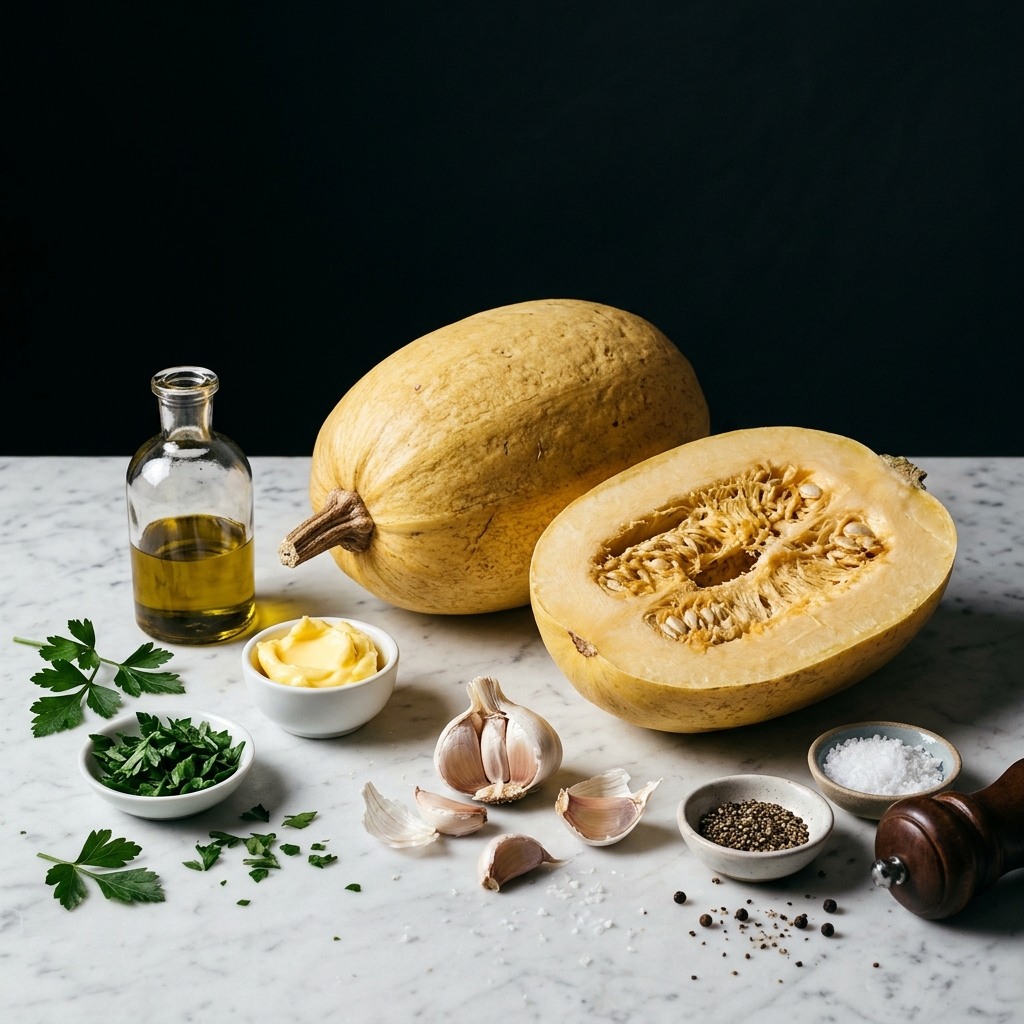
Ingredients for Easy Roasted Spaghetti Squash
One of the best things about roasted spaghetti squash is that you don’t need a long list of ingredients to make it taste wonderful. A few carefully selected ingredients are enough to bring out its natural sweetness while adding richness, aroma, and freshness.
-
1 medium spaghetti squash (about 3–4 pounds): Choose a firm squash with an even yellow color, a dry stem, and no soft spots. This is the star ingredient and produces the naturally noodle-like strands once cooked.
-
2 tablespoons olive oil: Helps the squash roast evenly, encourages lightly caramelized edges, and adds a delicate richness. You can substitute melted butter if you prefer a buttery flavor.
-
2 cloves garlic, minced: Adds a delicious savory aroma that complements the squash’s mild sweetness. Fresh garlic gives the best flavor.
-
½ teaspoon salt: Enhances the natural flavor of the squash and balances its sweetness. Adjust according to taste.
-
¼ teaspoon freshly ground black pepper: Adds gentle warmth and a little seasoning without overpowering the vegetable.
-
1 tablespoon fresh parsley, chopped: Provides a fresh, colorful finish and makes the roasted squash look especially appetizing.
-
¼ teaspoon dried Italian seasoning (optional): Adds a subtle herbal flavor that works particularly well when serving the squash alongside chicken, beef, or pasta-inspired sauces.
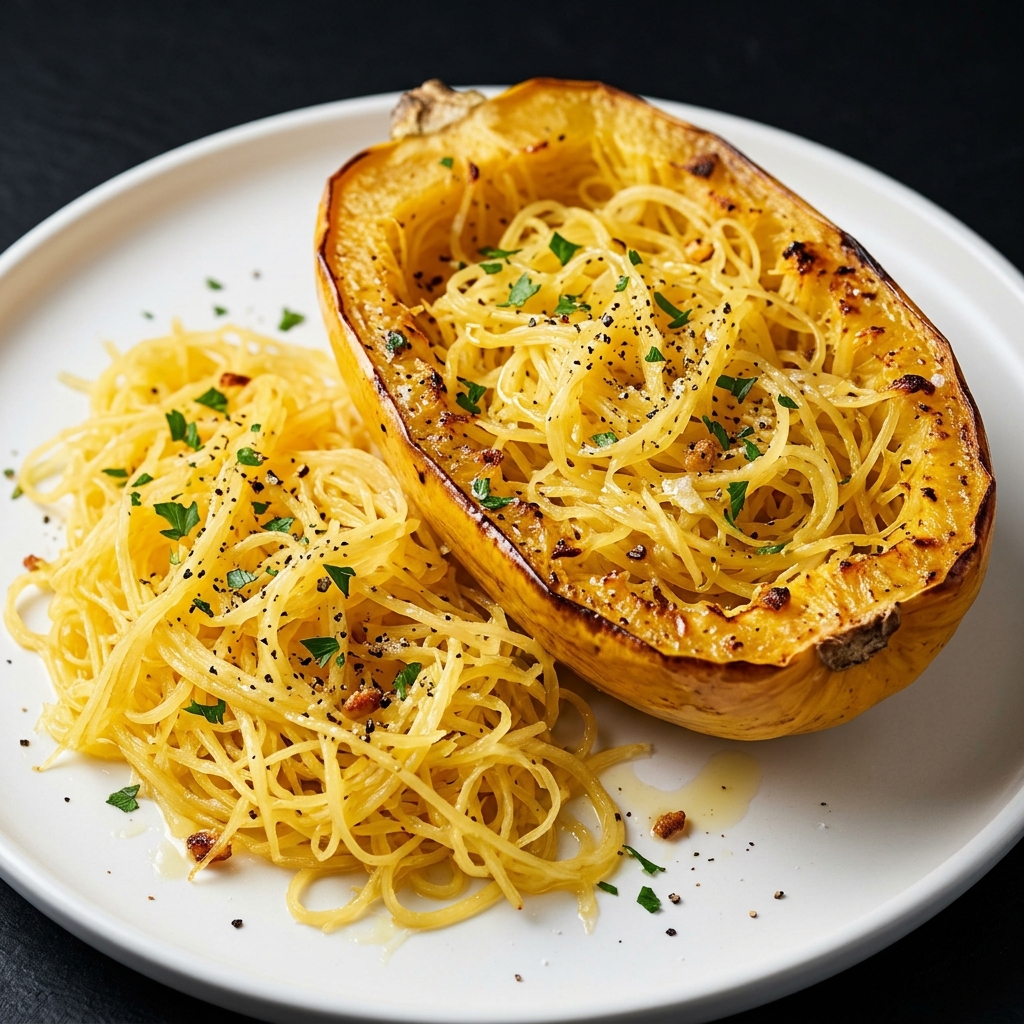
How to Make Easy Roasted Spaghetti Squash
Roasting spaghetti squash is surprisingly straightforward. The secret is choosing a good squash, preparing it properly, and giving it enough time in the oven to become tender without turning watery.
Follow these steps for beautifully roasted squash with tender, easy-to-separate strands and delicious golden edges.
Step 1: Preheat the Oven
Start by preheating your oven to 400°F (200°C).
Allow the oven to reach the correct temperature before putting the squash inside. A properly heated oven helps the squash cook evenly and encourages the exposed flesh to develop a lightly roasted surface.
Prepare a large baking sheet and line it with parchment paper or aluminum foil for easier cleanup.
Step 2: Wash and Prepare the Spaghetti Squash
Wash the outside of the spaghetti squash thoroughly under cool running water. Use a clean kitchen towel to dry it.
Place the squash on a sturdy cutting board. Using a large, sharp chef’s knife, carefully cut it lengthwise from stem to base.
Spaghetti squash has a firm outer skin, so take your time. If it feels particularly difficult to cut, you can pierce it in a few places and microwave it briefly, around 2–3 minutes, to soften the skin slightly before cutting. Allow it to cool enough to handle safely.
Once cut, you’ll have two long halves with a central cavity filled with seeds and stringy pulp.
Step 3: Remove the Seeds
Use a sturdy spoon to scoop out the seeds and surrounding stringy pulp from both halves.
Scrape gently until the central cavity looks clean, but avoid removing too much of the flesh.
You can discard the seeds or clean and roast them separately if you enjoy crunchy vegetable seeds.
At this stage, the squash should have two neat halves with their golden flesh exposed and ready for seasoning.
Step 4: Season the Squash
Place both squash halves on your prepared baking sheet with the cut sides facing upward.
Drizzle the exposed flesh with olive oil, distributing it evenly across both halves.
Sprinkle over the minced garlic, salt, black pepper, and Italian seasoning if using.
Use a pastry brush or your fingers to spread the oil and seasonings over the entire cut surface, including the edges of the cavity.
Proper seasoning at this stage helps the flavor reach more of the squash rather than leaving the outer edges bland.
Step 5: Arrange and Roast
Turn the squash halves over so their cut sides face downward against the baking sheet.
This positioning allows the flesh to roast in its own moisture while the outer skin protects it from excessive heat. It also helps the squash become tender throughout.
Place the baking sheet on the middle rack of your preheated oven.
Roast for approximately 35–45 minutes, depending on the size and thickness of the squash.
Smaller squash may cook more quickly, while larger ones may need additional time.
Avoid opening the oven repeatedly because this can interrupt the cooking process.
Step 6: Check for Doneness
After about 35 minutes, carefully check the squash.
Use an oven mitt to remove the baking sheet slightly and gently pierce the skin or flesh with a fork.
The squash is ready when a fork can easily penetrate the flesh and the inside feels tender.
If it still feels firm, return it to the oven for another 5–10 minutes and check again.
Be careful not to overcook it. Although you want tender strands, cooking the squash for too long can make them soft and watery instead of maintaining their appealing noodle-like texture.
Step 7: Let It Rest and Create the Spaghetti Strands
Once the squash is fully roasted, remove it from the oven and allow it to rest for approximately 5–10 minutes.
Turn each half cut-side up if necessary, taking care because the squash will be hot.
Use a fork to gently scrape the flesh from one end to the other. As you scrape, the flesh naturally separates into long, thin strands resembling spaghetti.
Continue loosening the strands until most of the flesh has been removed from the skin.
Transfer the strands into a serving bowl or leave them inside the squash shells for an attractive presentation.
Step 8: Finish and Serve
Taste the roasted squash and adjust the seasoning if necessary.
Sprinkle with freshly chopped parsley and, if desired, add a little extra black pepper or a drizzle of olive oil.
For a richer finish, you can also add freshly grated Parmesan cheese, a small knob of butter, or a squeeze of fresh lemon juice.
Serve immediately while warm and enjoy the tender, golden strands with your favorite main dishes or sauces.
Delicious Variations of Roasted Spaghetti Squash
One of the reasons spaghetti squash deserves a regular place in your kitchen is its versatility. Its mild, slightly sweet flavor makes it an excellent base for different seasonings, herbs, cheeses, and sauces.
Once you’ve mastered the basic roasting method, you can easily customize the recipe to suit your family’s preferences or create something new whenever you prepare it.
Here are some delicious variations worth trying.
1. Garlic Butter Roasted Spaghetti Squash
If you love rich, buttery flavors, this variation is an excellent choice.
Instead of using olive oil, brush the cut sides of the squash with melted butter before roasting. Add minced garlic, salt, and black pepper, then roast as directed.
Once the squash is cooked and scraped into strands, toss everything with another small amount of melted butter and freshly chopped parsley.
The result is a wonderfully aromatic side dish with a rich, savory flavor that pairs beautifully with grilled chicken, steak, or roasted fish.
2. Parmesan Roasted Spaghetti Squash
For a cheesy finish, Parmesan is a fantastic addition.
Prepare the squash using the original recipe. Once it has been roasted and separated into strands, sprinkle generously with freshly grated Parmesan cheese.
You can also return the squash to the oven for another 3–5 minutes to allow the cheese to melt slightly.
For even more flavor, add a little garlic powder, dried oregano, and freshly ground black pepper.
This variation is especially delicious when served alongside Italian-inspired meals.
3. Italian Herb Roasted Spaghetti Squash
If you enjoy Mediterranean-inspired flavors, try adding a combination of dried basil, oregano, thyme, and rosemary.
Mix your herbs with olive oil, minced garlic, salt, and pepper before brushing the mixture over the squash.
Roast until tender, then finish with fresh parsley or basil.
The herbs give the squash a fragrant, savory flavor that works wonderfully with tomato sauce, grilled vegetables, chicken, and fish.
4. Spicy Roasted Spaghetti Squash
For anyone who enjoys a little heat, this variation is easy to prepare.
Add a pinch of red pepper flakes, smoked paprika, or cayenne pepper to the olive oil and garlic mixture before seasoning the squash.
Roast as usual and adjust the heat level according to your preference.
The gentle sweetness of the squash balances the spices beautifully, creating a flavorful side dish that pairs well with grilled meats and other savory meals.
5. Lemon Garlic Spaghetti Squash
For a lighter, fresher flavor, combine fresh lemon juice, minced garlic, olive oil, salt, and black pepper.
Roast the squash using the original method. After separating the cooked flesh into strands, drizzle with fresh lemon juice and sprinkle with chopped parsley.
The lemon adds brightness and balances the natural sweetness of the squash without making the dish heavy.
This version is particularly good with baked salmon, grilled shrimp, and roasted chicken.
6. Cheesy Garlic Spaghetti Squash
For a more indulgent version, combine the roasted squash strands with minced garlic, melted butter, mozzarella, and Parmesan.
Transfer everything into an oven-safe baking dish, sprinkle additional cheese over the top, and bake for approximately 5–10 minutes until the cheese melts.
For a beautiful golden finish, briefly place it under the broiler while watching carefully.
This variation turns a simple roasted vegetable into a delicious cheesy side dish that the whole family can enjoy.
Expert Tips for Perfect Roasted Spaghetti Squash
Although roasting spaghetti squash is simple, a few professional kitchen techniques can make a noticeable difference in the final result.
Choose the Right Squash
Always start with a fresh, good-quality spaghetti squash.
Look for one that feels heavy for its size, has firm skin, and displays a consistent yellow color. Avoid squash with soft areas, cracks, or visible signs of spoilage.
A fresh squash generally has better texture and flavor, making it easier to achieve beautiful strands after roasting.
Cut the Squash Carefully
Spaghetti squash has a tough exterior, so use a sharp, sturdy knife and a stable cutting board.
If cutting it lengthwise feels difficult, you can pierce the squash in several places and microwave it briefly to soften the skin. Let it cool enough to handle before cutting.
Never force a knife through an unstable squash.
Don’t Skip the Seeds
Removing the seeds and stringy center is important because it creates space for the flesh to roast properly.
A sturdy spoon works well for this job. Scrape away the loose pulp without digging too deeply into the flesh.
Avoid Overcooking
This is one of the most important secrets to getting spaghetti-like strands rather than a mushy vegetable.
Check the squash after approximately 35 minutes. If the flesh is tender and separates easily with a fork, it is ready.
Remember that cooking time depends on the squash’s size, thickness, and your oven.
Don’t Add Too Much Oil
A light, even coating of olive oil is enough to help the squash roast beautifully.
Adding too much oil can make the finished strands greasy and heavy. Use a pastry brush to distribute the oil evenly across the exposed flesh.
Let It Rest Before Scraping
Allowing the squash to rest for a few minutes after roasting makes it easier and safer to handle.
It also gives the flesh a little time to settle before you separate it into strands.
Scrape in the Right Direction
For longer, more spaghetti-like strands, gently scrape the flesh across the width of each squash half rather than digging straight down.
Work gradually with a fork, loosening the strands without crushing them.
Season Again Before Serving
Roasted vegetables sometimes need a final adjustment after cooking.
Taste the strands before serving and add a little salt, pepper, fresh parsley, Parmesan, or olive oil if needed.
This final touch helps bring all the flavors together.
How to Store and Reheat Roasted Spaghetti Squash
If you have leftovers, don’t worry. Roasted spaghetti squash stores well when handled and refrigerated properly.
Refrigeration: Allow the cooked squash to cool, then transfer the strands into an airtight container. Refrigerate promptly and enjoy within 3–4 days.
Freezing: Spaghetti squash can be frozen, although its texture may become softer after thawing. Allow it to cool completely, gently remove excess moisture, and place the strands in freezer-safe containers or bags. For best quality, use within 2–3 months.
Reheating in the microwave: Place a portion in a microwave-safe dish, cover loosely, and heat in short intervals until warmed through. Avoid overheating because the strands can become mushy.
Reheating on the stovetop: Add the squash to a skillet over medium-low heat with a small amount of olive oil or butter. Stir gently until heated through.
For the best texture, avoid reheating the squash repeatedly.
Frequently Asked Questions
1. What Does Roasted Spaghetti Squash Taste Like?
Spaghetti squash has a mild, slightly sweet flavor with a delicate nutty undertone. Its texture is tender and somewhat similar to cooked pasta when separated into strands.
It doesn’t taste exactly like traditional spaghetti, but its neutral flavor makes it excellent for pairing with garlic butter, Parmesan, marinara sauce, herbs, and various proteins.
2. How Do I Know When Spaghetti Squash Is Fully Cooked?
The easiest way to check is with a fork.
Pierce the flesh gently. If the fork slides in easily and the inside separates into strands without much resistance, the squash is ready.
If the flesh still feels firm, return it to the oven for another 5–10 minutes.
3. Should I Roast Spaghetti Squash Cut-Side Up or Down?
Both methods work, but roasting it cut-side down is a popular option because it helps retain moisture and encourages the exposed flesh to become tender.
If you prefer more browning and caramelization on the exposed flesh, you can roast it cut-side up instead.
The important thing is to avoid overcooking and adjust the roasting time to the size of your squash.
4. Can I Prepare Spaghetti Squash Ahead of Time?
Yes! You can roast the squash ahead of time, separate it into strands, and store it in an airtight container in the refrigerator.
When you’re ready to serve, reheat gently in the microwave or on the stovetop.
This makes it a convenient option for meal preparation and busy weeknight dinners.
5. Is Roasted Spaghetti Squash Healthy?
Spaghetti squash is a nutritious vegetable that provides dietary fiber, vitamin C, vitamin B6, and other beneficial nutrients.
It is also naturally lower in calories and carbohydrates than traditional wheat pasta, making it a useful option for people looking for lighter alternatives.
The nutritional value of the finished dish will depend on the amount of oil, butter, cheese, and other toppings added.
6. Is Spaghetti Squash Gluten-Free?
Yes! Plain spaghetti squash is naturally gluten-free.
The basic roasted version made with olive oil, garlic, salt, pepper, and fresh parsley is suitable for a gluten-free diet. However, always check packaged seasonings and additional sauces for possible gluten-containing ingredients.
7. Can I Make This Recipe Without Olive Oil?
Absolutely. Melted butter is a delicious alternative that gives the squash a richer, more buttery flavor.
For a completely oil-free version, you can roast the squash without added fat, although the texture and browning may be slightly different.
8. Why Is My Roasted Spaghetti Squash Watery?
Watery spaghetti squash usually results from excessive moisture, overcooking, or the natural water content of the vegetable.
To improve the texture, avoid cooking it longer than necessary. After scraping out the strands, allow excess moisture to drain before serving.
You can also briefly sauté the strands in a skillet to help evaporate some of the moisture.
9. Can I Eat the Skin of Spaghetti Squash?
The skin is technically edible when cooked, but it is usually quite firm and not particularly pleasant to eat.
Most people scoop out the tender flesh and leave the skin behind. You can also use the roasted squash halves as serving bowls for an attractive presentation.
10. Is Spaghetti Squash Suitable for a Low-Carb Diet?
Yes! Spaghetti squash is generally a good option for people following a low-carb eating plan because it contains fewer carbohydrates than traditional pasta.
However, it is not carbohydrate-free. If you’re following a strict ketogenic diet, pay attention to portion sizes and calculate the net carbohydrates in your serving.
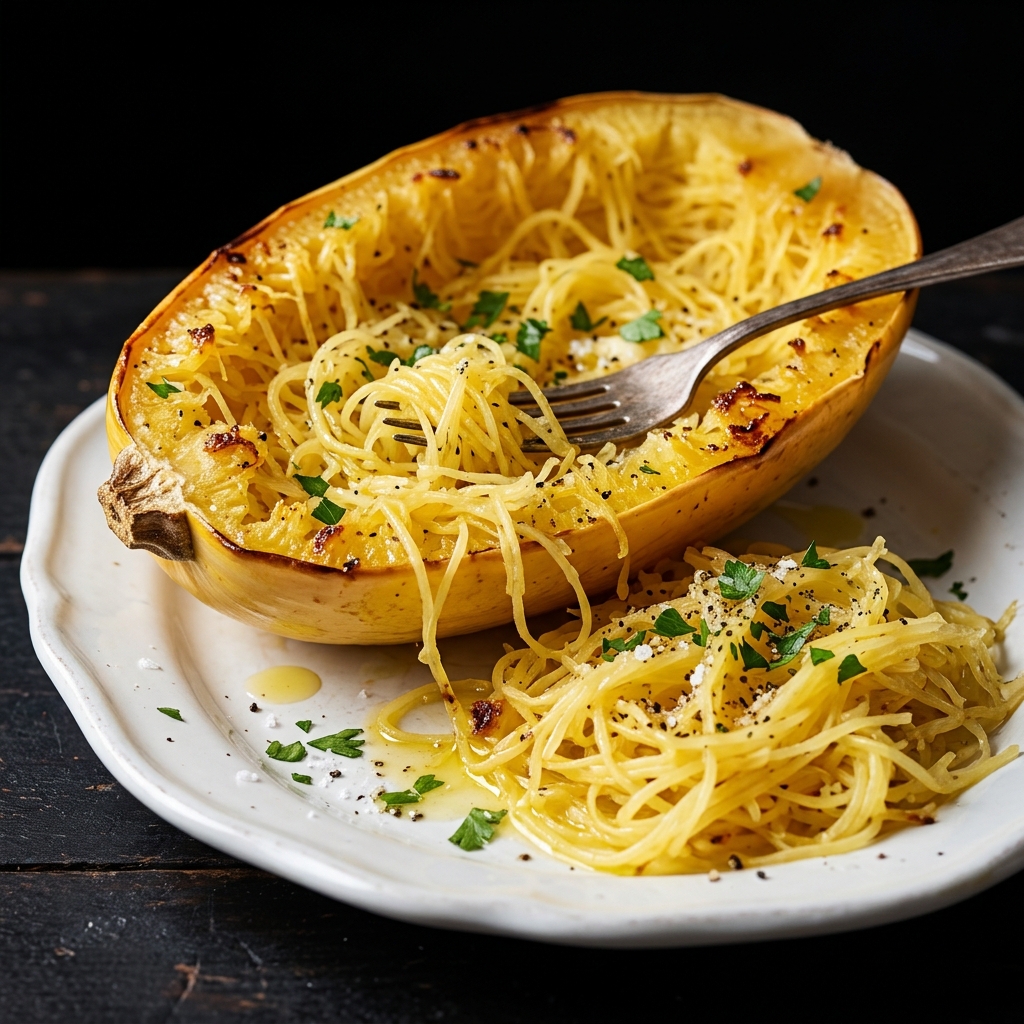
Easy Roasted Spaghetti Squash
Ingredients
Equipment
Method
- Preheat the oven to 400°F (200°C). Line a large baking sheet with parchment paper or aluminum foil.
- Wash and thoroughly dry the spaghetti squash. Carefully cut it lengthwise into two halves using a sharp knife.
- Scoop out the seeds and stringy pulp from the center of both halves using a sturdy spoon.
- Place the squash halves cut-side up on the prepared baking sheet. Brush the exposed flesh with olive oil.
- Sprinkle with minced garlic, salt, black pepper, and Italian seasoning, distributing the ingredients evenly.
- Turn the squash halves cut-side down on the baking sheet.
- Roast for 35–45 minutes, depending on the size of the squash, until the flesh is tender and easily pierced with a fork.
- Remove from the oven and allow the squash to rest for 5–10 minutes.
- Turn the halves cut-side up and gently scrape the flesh with a fork to create spaghetti-like strands.
- Transfer the strands to a serving bowl or leave them inside the squash shells. Garnish with fresh parsley, adjust the seasoning, and serve warm.
Notes
- Avoid overcooking to prevent the strands from becoming mushy or watery.
- For a richer flavor, substitute melted butter for olive oil.
- Add freshly grated Parmesan cheese for a delicious cheesy variation.
- For a vegan version, use olive oil instead of butter and skip dairy-based toppings.
- Store leftovers in an airtight container in the refrigerator for up to 3–4 days.
- Reheat gently in the microwave or on the stovetop to maintain the best texture.
- Cooking time may vary depending on the size and thickness of the squash.


Emma Carter is a passionate home cook and recipe creator who loves making delicious, simple meals everyone can enjoy. She shares easy recipes, helpful cooking tips, and inspiring food ideas to make everyday cooking more enjoyable.