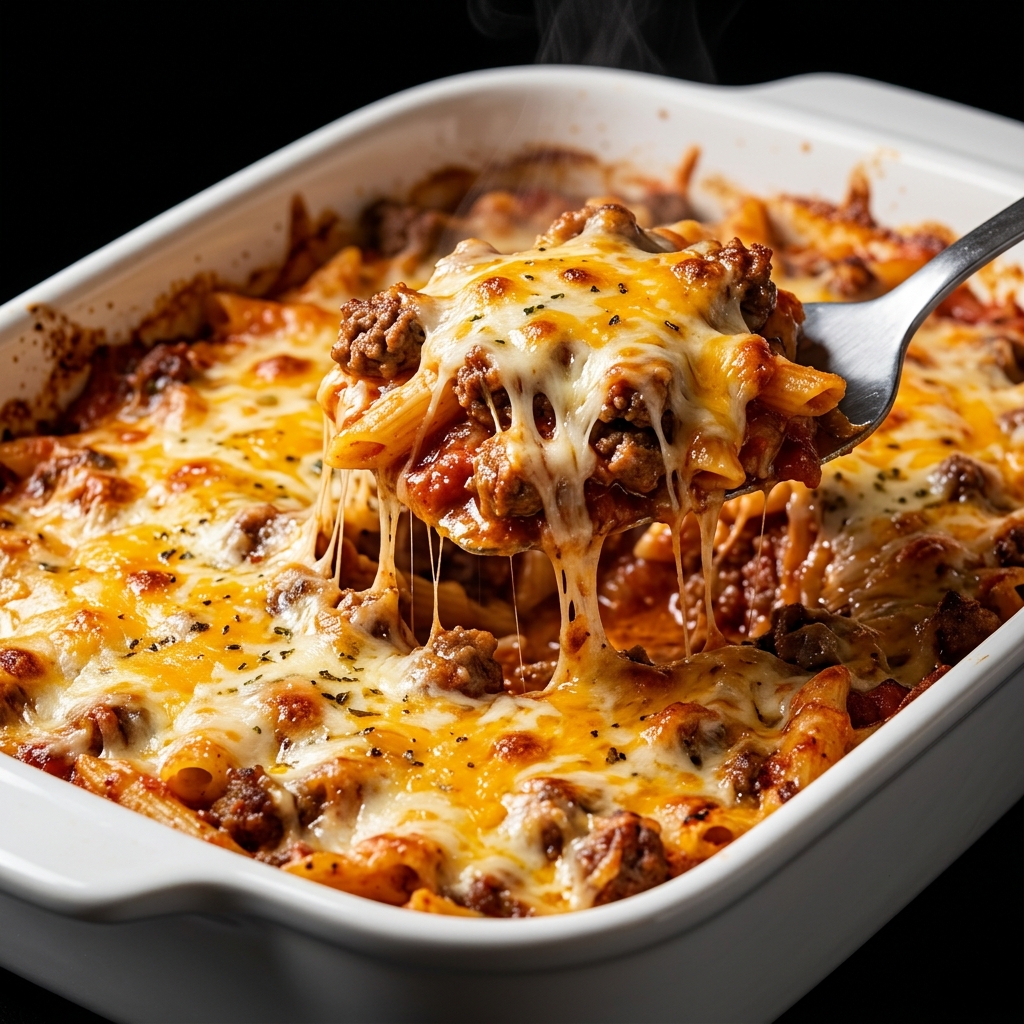
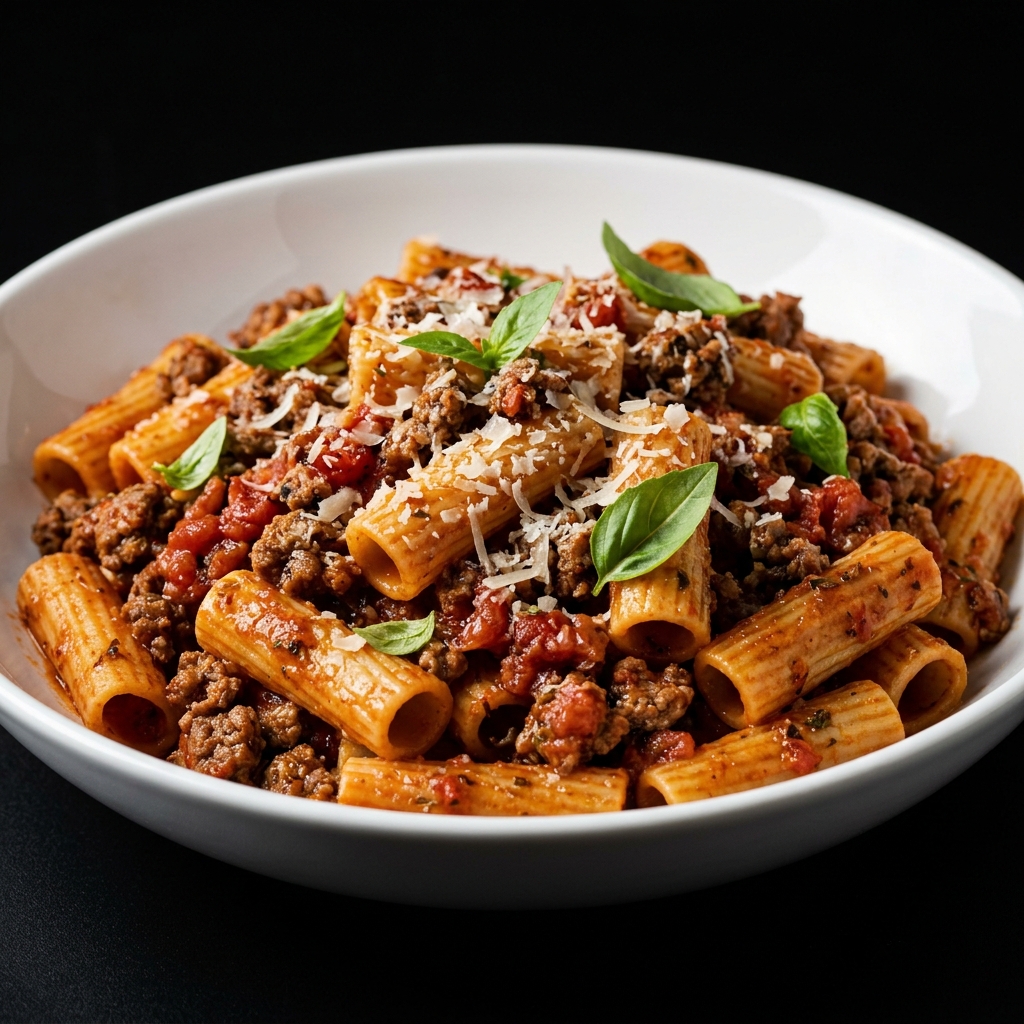
Looking for a hearty, delicious dinner that brings everyone to the table? This One-Pot Ground Beef Pasta with Tomato Sauce combines tender pasta, savory ground beef, and a rich, flavorful tomato sauce in one comforting dish, giving you a satisfying homemade meal with less cleanup and plenty of flavor in every bite.
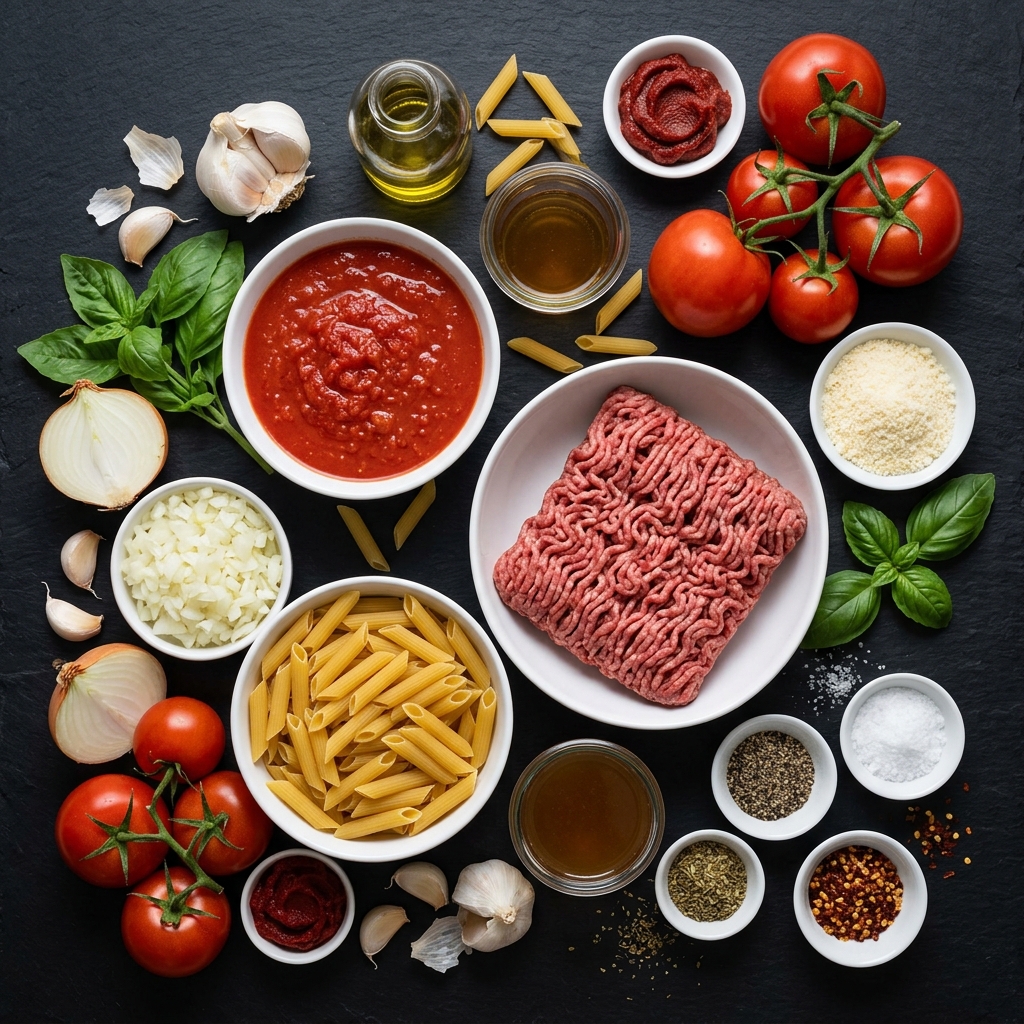
Ingredients for One-Pot Ground Beef Pasta with Tomato Sauce
The beauty of this recipe lies in its simple, everyday ingredients. Each one contributes something special, from the savory depth of browned beef to the sweetness of tomatoes and the aromatic flavor of Italian herbs.
Main Ingredients
- 1 pound (450 g) lean ground beef: Ground beef provides the hearty, savory foundation of the dish. Lean ground beef works well because it delivers plenty of flavor without leaving too much excess grease in the pot.
- 12 ounces (340 g) uncooked short pasta: Penne, rotini, fusilli, or shells are excellent choices because their shapes hold the tomato sauce beautifully. Elbow macaroni also works well for a more traditional comfort-food texture.
- 1 tablespoon olive oil: Use this if your beef is particularly lean or your pot needs a little extra oil for sautéing. You may need less if the beef releases enough fat.
- 1 medium yellow onion, finely diced: Onion adds natural sweetness and a savory aromatic base that makes the tomato sauce taste richer.
- 3 cloves garlic, minced: Fresh garlic gives the sauce a fragrant, savory flavor. Add it after the onion softens to prevent it from burning.
- 1 tablespoon tomato paste: Tomato paste adds concentrated tomato flavor and helps create a deeper, richer sauce.
- 1 can (28 ounces or approximately 800 g) crushed tomatoes: These form the main body of the sauce, providing color, acidity, and a naturally thick consistency.
- 4 cups (960 ml) beef broth: Broth supplies the liquid needed to cook the pasta and contributes savory flavor. Choose a lower-sodium variety if you want greater control over the salt level.
- 1 teaspoon Italian seasoning: This dried herb blend typically contains oregano, basil, thyme, and other Mediterranean herbs that complement the beef and tomatoes.
- 1 teaspoon paprika: Paprika adds gentle warmth and a subtle depth of flavor. Sweet paprika is ideal for a family-friendly version.
- 1/2 teaspoon black pepper: Freshly ground black pepper adds a mild, aromatic bite.
- 1/2 to 1 teaspoon salt, or to taste: Start with a small amount because beef broth and Parmesan cheese may already contain salt.
- 1/2 teaspoon red pepper flakes (optional): Use these if you enjoy a little heat in your pasta.
Ingredients for Finishing
- 1/2 cup freshly grated Parmesan cheese: Parmesan adds a savory, nutty flavor and a delicious finishing touch. Freshly grated cheese melts more smoothly than many pre-grated varieties.
- 1/4 cup chopped fresh basil: Basil contributes a fresh, fragrant flavor that balances the richness of the beef and tomato sauce.
- 2 tablespoons chopped fresh parsley (optional): Parsley adds a bright, fresh finish and a little extra color.
- 1/2 cup reserved pasta cooking liquid or additional broth, as needed: Keep some extra liquid available in case the pasta absorbs more sauce than expected.
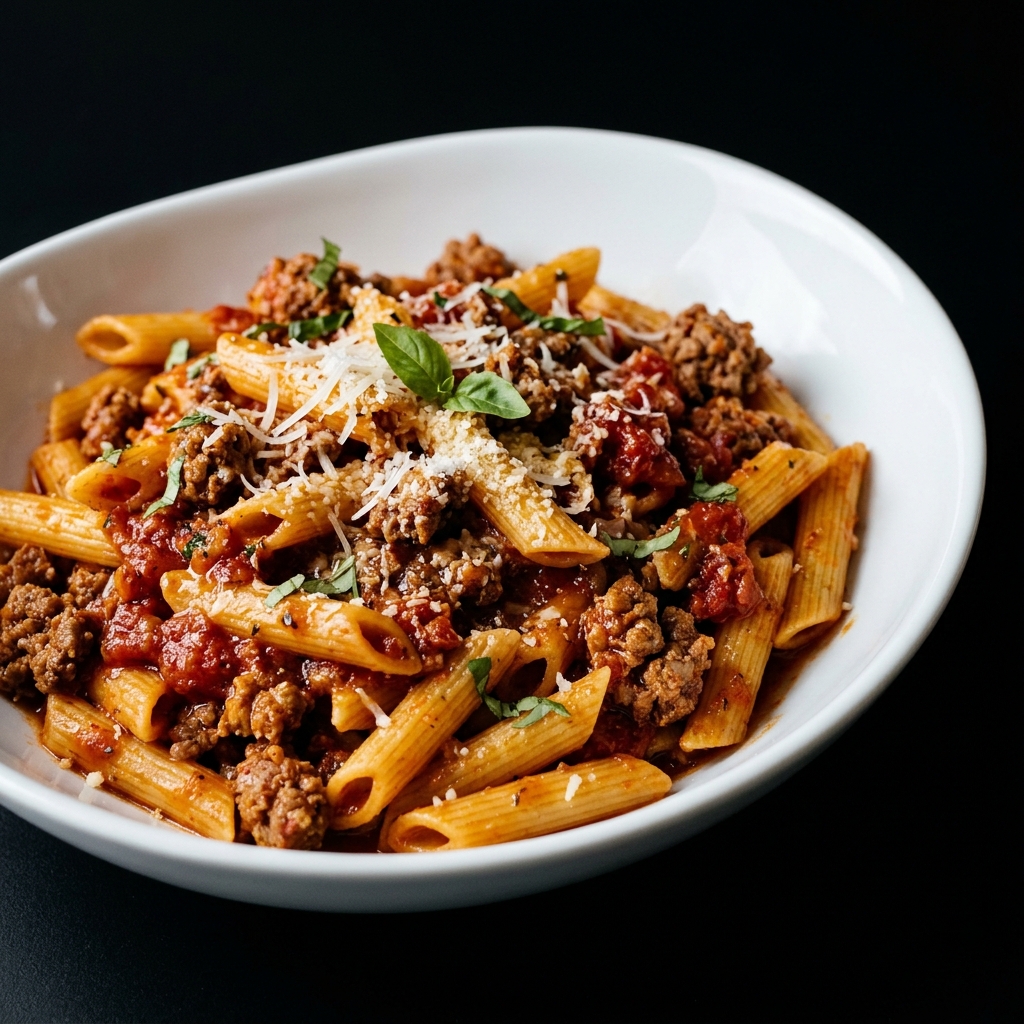
How to Make One-Pot Ground Beef Pasta with Tomato Sauce
This recipe uses a straightforward cooking method that develops flavor in stages. The beef is browned first, the aromatics are cooked until fragrant, and the pasta then simmers directly in the tomato sauce and broth. The result is a hearty meal with tender pasta and fewer dishes to wash.
Step 1: Prepare Your Ingredients
Before turning on the stove, dice the onion, mince the garlic, measure the seasonings, and open the cans of tomatoes. Grate the Parmesan cheese and chop the fresh basil.
Measure the pasta and broth as well. Having everything ready makes the cooking process smoother, especially because the pasta needs occasional attention once it begins simmering.
Choose a large, heavy-bottomed pot or Dutch oven with enough room for the beef, sauce, broth, and uncooked pasta. A pot with a wide base is particularly helpful because it allows the beef to brown instead of steam.
Step 2: Brown the Ground Beef
Place the pot over medium-high heat. Add the olive oil if needed, followed by the ground beef.
Break the meat into small, bite-sized crumbles with a wooden spoon or heat-resistant spatula. Spread it across the bottom of the pot and allow it to cook for a few minutes before stirring frequently.
Continue cooking for approximately 6–8 minutes, or until the beef is thoroughly browned and no longer pink. If the meat releases a large amount of excess fat, carefully drain most of it, leaving a small amount behind to carry flavor into the sauce.
Chef’s tip: Avoid overcrowding the pot or stirring the beef constantly from the beginning. Allowing it to make contact with the hot surface helps develop the browned, savory flavors that give the finished pasta its delicious depth.
If your pot is too small to brown the beef properly, cook it in batches rather than forcing all the meat into a crowded layer.
Step 3: Cook the Onion and Garlic
Reduce the heat to medium and add the diced onion to the browned beef. Stir well, scraping the bottom of the pot to loosen any flavorful browned bits.
Cook for approximately 3–4 minutes, stirring occasionally, until the onion begins to soften and turn translucent.
Add the minced garlic and cook for another 30–60 seconds. Stir continuously during this short cooking period because garlic can burn quickly and develop a bitter taste.
At this stage, the kitchen should begin to smell wonderfully savory, with the aroma of browned beef, sweet onion, and fresh garlic blending together.
Step 4: Add the Tomato Paste and Seasonings
Stir in the tomato paste, Italian seasoning, paprika, black pepper, and red pepper flakes if using.
Allow the tomato paste to cook for about 1–2 minutes, stirring it into the beef and aromatics. This brief cooking step helps concentrate its flavor and removes some of the raw taste.
The mixture should look darker and more richly colored. The dried herbs will release their aromas as they warm in the oil and beef juices.
Add a small amount of salt, keeping in mind that you can adjust the seasoning later.
Step 5: Build the Tomato Sauce
Pour the crushed tomatoes into the pot and stir until they are evenly combined with the seasoned beef.
Add the beef broth and stir again, making sure to loosen any browned bits from the bottom of the pot. These small bits are full of flavor and help create a more satisfying sauce.
Bring the mixture to a gentle boil over medium-high heat. Taste a small spoonful of the liquid and adjust the seasonings if necessary, remembering that the flavors will become more concentrated as the sauce reduces.
The sauce should be loose enough to cook the pasta, but it should not be excessively watery. The pasta will absorb some of the broth as it cooks, while its released starch will help the sauce develop a fuller consistency.
Step 6: Add the Uncooked Pasta
Pour the uncooked pasta directly into the tomato and beef mixture. Stir thoroughly to distribute the pasta throughout the sauce.
Make sure the pasta is mostly submerged in the liquid. If some pieces remain above the surface, press them gently into the sauce with your spoon.
Bring the mixture back to a gentle simmer, then reduce the heat to medium-low. Cover the pot partially or fully, depending on how quickly the liquid is evaporating, and cook according to the pasta package’s instructions.
Most short pasta shapes take approximately 10–15 minutes, but cooking time varies by shape and brand. Stir every 2–3 minutes, paying particular attention to the bottom and corners of the pot.
Important: One-pot pasta needs more attention than pasta cooked separately in a large pot of water. Stirring helps prevent sticking and distributes the heat, while checking the liquid level prevents the pasta from drying out before it becomes tender.
If the sauce becomes too thick while the pasta is still firm, add a small splash of hot broth or water. If the pasta is nearly cooked but the sauce remains thin, remove the lid and allow it to simmer gently for another minute or two, stirring frequently.
Step 7: Check the Pasta for Doneness
Begin checking the pasta a minute or two before the package’s suggested cooking time is reached.
Taste a piece carefully after allowing it to cool slightly. The pasta should be tender but still have a little firmness in the center. This texture, often called al dente, gives the finished dish a pleasant bite and helps prevent mushiness.
If the pasta is still too firm, continue cooking in short intervals, adding a little liquid when necessary.
Remember that the pasta may continue softening slightly after you turn off the heat, so avoid cooking it far beyond the desired texture.
Step 8: Finish with Parmesan and Fresh Basil
Once the pasta is tender and the sauce has reached your preferred consistency, reduce the heat to low or turn it off.
Stir in the freshly grated Parmesan cheese until it melts into the sauce. The cheese adds savory depth and helps give the sauce a smooth, satisfying finish.
Fold in most of the chopped fresh basil, reserving a little for serving. If the sauce appears too thick, add a splash of warm broth or reserved cooking liquid and stir gently until everything is well combined.
Taste the pasta and make any final adjustments to the salt, black pepper, or red pepper flakes.
The finished sauce should cling to the pasta rather than pool as a thin liquid at the bottom of the pot.
Step 9: Let the Pasta Rest Briefly
Remove the pot from the heat and allow the pasta to rest for approximately 2–3 minutes.
This short resting period gives the sauce time to settle and cling to the pasta. It also allows the flavors of the beef, tomatoes, garlic, herbs, and Parmesan to come together.
If the sauce thickens more than expected during resting, stir in a little warm broth before serving.
Step 10: Serve and Enjoy
Spoon the pasta into warm serving bowls, making sure each portion includes plenty of ground beef and tomato sauce.
Finish with the remaining fresh basil, an extra sprinkle of Parmesan, and freshly ground black pepper if desired.
Serve immediately while the pasta is warm, the sauce is glossy, and the cheese is deliciously fragrant. A simple green salad or a slice of garlic bread makes this one-pot dinner feel even more complete.
Recipe Variations Worth Trying
One of the best things about One-Pot Ground Beef Pasta with Tomato Sauce is how easily it can be adapted. Once you understand the basic method, you can adjust the ingredients to suit different tastes, use what you already have in the kitchen, or create a slightly different dinner each time.
Cheesy Ground Beef Pasta
For a richer, creamier finish, stir in an additional 1/2 to 1 cup of shredded mozzarella or cheddar cheese after the pasta has cooked.
Turn off the heat before adding the cheese and stir until it melts. Mozzarella gives the dish a mild, stretchy texture, while cheddar adds a sharper flavor.
You can also transfer the finished pasta to an oven-safe dish, sprinkle extra cheese over the top, and briefly broil it until the cheese melts and becomes lightly golden. If you choose this method, use an oven-safe pot and watch carefully to prevent burning.
Spicy Ground Beef Pasta
If you prefer bold, spicy flavors, increase the red pepper flakes or add a small amount of cayenne pepper to the seasoning mixture.
You can also use spicy Italian sausage in place of some of the ground beef, although this will change the flavor and fat content. If you use sausage, reduce the added salt until you have tasted the finished sauce.
For a balanced spicy version, finish with fresh basil and Parmesan to complement the heat.
Ground Beef Pasta with Vegetables
Adding vegetables is an easy way to introduce more color, texture, and variety.
Finely diced bell peppers can be added with the onion, while sliced mushrooms can be cooked with the beef or added after browning. Grated carrots can bring a gentle sweetness to the sauce, and fresh spinach can be stirred in during the final few minutes of cooking.
If using zucchini or other vegetables that release considerable moisture, monitor the sauce consistency carefully. You may need slightly less broth or a little extra uncovered simmering time.
Creamy Tomato Ground Beef Pasta
For a creamier sauce, stir in approximately 1/4 to 1/2 cup of heavy cream after the pasta is fully cooked.
Keep the heat low and stir gently until the cream is incorporated. Avoid boiling the sauce vigorously after adding the cream.
A little extra Parmesan works especially well in this variation, producing a rich, smooth tomato cream sauce that coats every piece of pasta.
Ground Beef and Mushroom Pasta
Mushrooms provide an earthy, savory flavor that complements the beef and tomato sauce.
Slice approximately 8 ounces of mushrooms and cook them after browning the beef, allowing their moisture to evaporate and their edges to develop some color. If the pot is crowded, remove the beef temporarily and cook the mushrooms separately before combining everything again.
This variation is especially satisfying during cooler weather when a hearty, deeply flavored dinner sounds appealing.
Budget-Friendly Ground Beef Pasta
This recipe is already a practical choice for a family meal, but a few adjustments can make it even more economical.
Use whichever short pasta is affordable, choose store-brand canned tomatoes, and substitute some of the ground beef with finely diced mushrooms or cooked lentils if desired. Add vegetables such as carrots or bell peppers to increase the volume of the meal.
If you stretch the beef with additional ingredients, make sure there is enough liquid to cook the pasta properly and adjust the seasonings to maintain a flavorful sauce.
Gluten-Free Ground Beef Pasta
You can make a gluten-free version by using certified gluten-free pasta and checking that the broth, tomato products, seasonings, and other packaged ingredients are suitable for a gluten-free diet.
Gluten-free pasta can behave differently from wheat pasta, sometimes releasing more starch or becoming soft more quickly. Follow the package guidance closely, stir gently, and begin checking for doneness early.
Because different gluten-free pasta brands absorb liquid differently, you may need to adjust the amount of broth during cooking.
Lower-Carbohydrate Alternative
Traditional pasta is not suitable for most low-carb or ketogenic eating plans. For a lower-carbohydrate variation, you could prepare the beef and tomato sauce separately and serve it over spiralized zucchini or another suitable vegetable alternative.
This changes the cooking method because zucchini noodles cook much faster than regular pasta and release moisture into the sauce. Add them near the end rather than simmering them for the full pasta cooking time.
For a strict ketogenic version, carefully check the carbohydrate content of the tomatoes, seasonings, and any added ingredients.
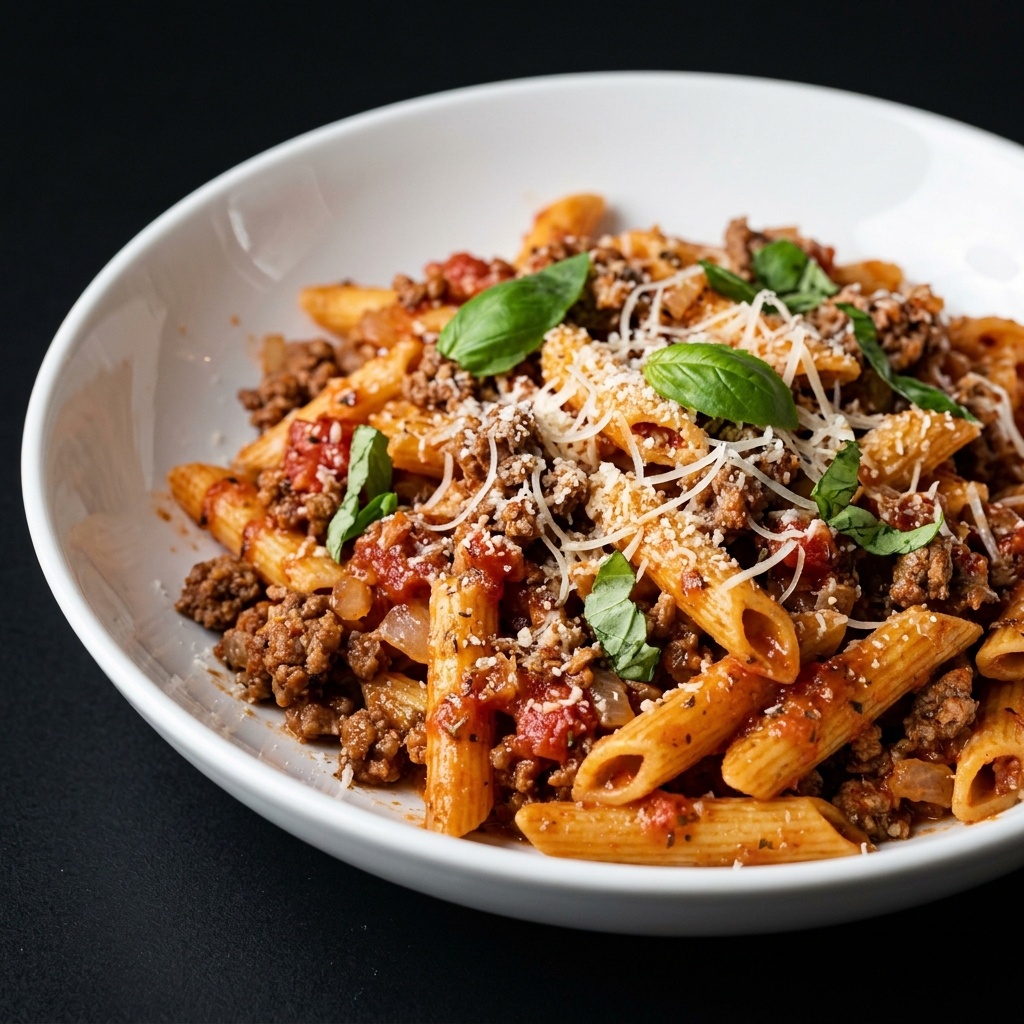
Expert Tips for the Best One-Pot Ground Beef Pasta
- Brown the beef properly. Good browning develops a deeper, meatier flavor. Avoid stirring constantly or overcrowding the pot.
- Choose the right pasta shape. Penne, rotini, shells, and fusilli work particularly well because they hold the sauce and provide a satisfying texture.
- Use the broth measurement as a starting point. Pasta shapes, pot sizes, lids, and heat levels all affect how much liquid is needed. Add more in small amounts if the pasta is drying out.
- Stir regularly. Pasta releases starch as it cooks, which helps thicken the sauce but can also cause sticking. Scrape the bottom gently every few minutes.
- Keep the simmer gentle. A vigorous boil can cause excessive evaporation and uneven cooking. A steady, gentle simmer gives the pasta time to cook through.
- Season in stages. Start with modest amounts of salt, then taste again after the pasta and Parmesan have been added.
- Finish with fresh herbs. Dried herbs provide depth during cooking, while fresh basil added at the end contributes a brighter aroma.
- Do not overcook the pasta. Begin testing before the package’s recommended time is reached, especially if you plan to serve the dish immediately.
- Adjust the consistency before serving. If the sauce is too thick, stir in a splash of warm broth. If it is too thin, simmer uncovered briefly while stirring.
- Use a sufficiently large pot. The ingredients need room to move so the pasta cooks evenly and the sauce does not spill over.
What to Serve with One-Pot Ground Beef Pasta
Although this pasta is filling enough to serve on its own, pairing it with a simple side dish can make dinner more balanced and enjoyable.
Garlic Bread
Garlic bread is a classic companion for tomato-based pasta. Its crisp exterior and buttery garlic flavor complement the rich sauce, while the bread is perfect for soaking up any sauce left in the bowl.
Fresh Green Salad
A green salad with lettuce, cucumber, tomatoes, and a light vinaigrette provides a refreshing contrast to the warm, hearty pasta. The crisp vegetables and bright dressing help balance the richness of the beef and cheese.
Roasted Broccoli
Roasted broccoli develops lightly browned edges and a delicious savory flavor. Toss it with a little olive oil, black pepper, and garlic before roasting, then serve it alongside the pasta.
Steamed Green Beans
Tender-crisp green beans offer a simple, colorful side without requiring much preparation. Finish them with a small amount of olive oil, lemon juice, or black pepper.
Roasted Vegetables
Roasted zucchini, carrots, bell peppers, or cauliflower can complement the tomato sauce while adding more variety to the meal. Season them simply so they do not compete with the flavors of the pasta.
Parmesan Breadsticks
Soft breadsticks topped with Parmesan and herbs are another satisfying option. They work particularly well when serving the pasta to a family or guests.
Simple Sautéed Spinach
Quickly sautéed spinach with garlic makes an easy vegetable side. Its mild flavor complements the tomato sauce, and it can be prepared in just a few minutes while the pasta rests.
Frequently Asked Questions
1. Can I cook the pasta directly in the tomato sauce?
Yes. That is the defining feature of this one-pot recipe. The uncooked pasta simmers directly in the tomato sauce and beef broth, absorbing flavor as it cooks. The starch released by the pasta also helps thicken the sauce.
The key is to use enough liquid, maintain a gentle simmer, and stir regularly so the pasta cooks evenly without sticking.
2. What is the best pasta shape for this recipe?
Penne, rotini, fusilli, and medium pasta shells are excellent options. Their shapes help capture the sauce and small pieces of ground beef.
Elbow macaroni is also suitable, especially if you prefer a classic comfort-food style. Different shapes may require different cooking times and liquid adjustments, so check the pasta as it cooks.
3. Why is my one-pot pasta too watery?
The sauce may be too watery if there is excess broth, the pot is covered for too long, or the pasta has not released enough starch to thicken the mixture.
Remove the lid and let the sauce simmer gently for a few minutes, stirring regularly. Avoid adding cheese as the only solution to a very watery sauce; allowing excess liquid to evaporate is usually the better first step.
4. Why is my pasta still hard even though the sauce looks thick?
The pasta may need more cooking liquid or additional simmering time. Tomato sauce can thicken before the pasta is fully tender, particularly if the heat is too high.
Add a little hot broth or water, stir well, and continue simmering until the pasta reaches the desired texture. Keep checking the bottom of the pot to prevent sticking.
5. Can I use ground turkey instead of ground beef?
Yes. Ground turkey is a suitable alternative if you prefer a different protein. Because turkey is generally leaner and has a milder flavor, you may need a little olive oil and careful seasoning to achieve a rich result.
Cook the turkey thoroughly before adding the onion, garlic, and other ingredients, and follow the same general method for preparing the sauce and pasta.
6. Can I make this recipe ahead of time?
Yes, but the pasta will continue absorbing sauce as it sits, so its texture may become softer and the dish may thicken considerably.
For the best texture, serve it freshly cooked. If you need to prepare dinner in advance, you can make the beef and tomato sauce ahead of time, refrigerate it promptly, and cook the pasta in the sauce when you are ready to serve.
7. How should I store leftover ground beef pasta?
Allow the leftovers to cool slightly, then transfer them to shallow, airtight containers and refrigerate within two hours of cooking. Store them at 40°F (4°C) or below and use within three to four days.
For food safety, do not leave the pasta at room temperature for extended periods. Reheat only the portion you need, stirring occasionally and adding a splash of water or broth to loosen the sauce.
8. Can I freeze one-pot ground beef pasta?
Yes, although the pasta may become softer after thawing and reheating. Let the dish cool promptly, divide it into suitable freezer-safe containers, and freeze it at 0°F (-18°C) or below.
For the best quality, use within approximately two to three months. Thaw in the refrigerator and reheat thoroughly, adding a little broth or water if necessary. Freezing the beef and tomato sauce separately before adding freshly cooked pasta generally gives a better texture.
9. Can I use fresh tomatoes instead of canned tomatoes?
Yes. Fresh ripe tomatoes can replace canned crushed tomatoes, although the final sauce may have a different consistency depending on the variety and ripeness.
Chop the tomatoes finely or blend them into a rough puree. Allow them to simmer until they soften and release their juices. You may need to adjust the cooking liquid and seasoning to achieve the desired flavor and thickness.
10. Is this recipe suitable for meal preparation?
Yes. It is a practical option for preparing several portions of dinner at once. Divide the cooked pasta into individual containers for convenient meals throughout the week.
Because the pasta continues absorbing sauce during storage, keep a little extra broth available when reheating. Reheat until the food reaches 165°F (74°C), stirring as needed for even heating.
11. Can I make this recipe without Parmesan cheese?
Absolutely. Parmesan adds savory flavor, but the recipe can still be delicious without it. Finish with fresh basil, black pepper, and a drizzle of olive oil if desired.
If you need a dairy-free version, omit the cheese and check that any other ingredients you use are dairy-free. The ground beef and tomato sauce will still provide plenty of flavor.
12. How can I make the tomato sauce taste richer?
Start by browning the ground beef well, softening the onion, and briefly cooking the tomato paste before adding the crushed tomatoes and broth. These steps develop deeper flavors than simply combining everything at once.
A good Italian seasoning blend, freshly minced garlic, and a final sprinkle of Parmesan and basil can also make a noticeable difference. Taste before serving and adjust the seasoning gradually.
13. Can I make this recipe in a Dutch oven?
Yes. A Dutch oven is an excellent choice because its heavy base distributes heat evenly and its generous capacity makes stirring easier. It works well for browning beef, preparing the tomato sauce, and simmering the pasta in the same pot.
Keep the heat moderate once the pasta is added and stir regularly to prevent sticking.
14. Is One-Pot Ground Beef Pasta with Tomato Sauce gluten-free, keto, or vegetarian?
The standard recipe is not gluten-free because it uses regular wheat pasta. It is also not generally low-carb or keto-friendly because ordinary pasta contains substantial carbohydrates. It is neither vegetarian nor vegan because it contains ground beef and may include Parmesan cheese.
You can adapt the recipe using gluten-free pasta, suitable lower-carbohydrate alternatives, or plant-based ingredients, but each adaptation should be checked against the dietary requirements you intend to meet.
15. How do I prevent the pasta from becoming mushy?
Use a pasta shape that holds its texture well, keep the sauce at a gentle simmer, and begin testing for doneness before the package’s recommended cooking time is reached.
Stir frequently enough to prevent sticking without breaking up the pasta, and turn off the heat as soon as it becomes tender with a slight firmness. Serve promptly because the pasta will continue softening as it rests.
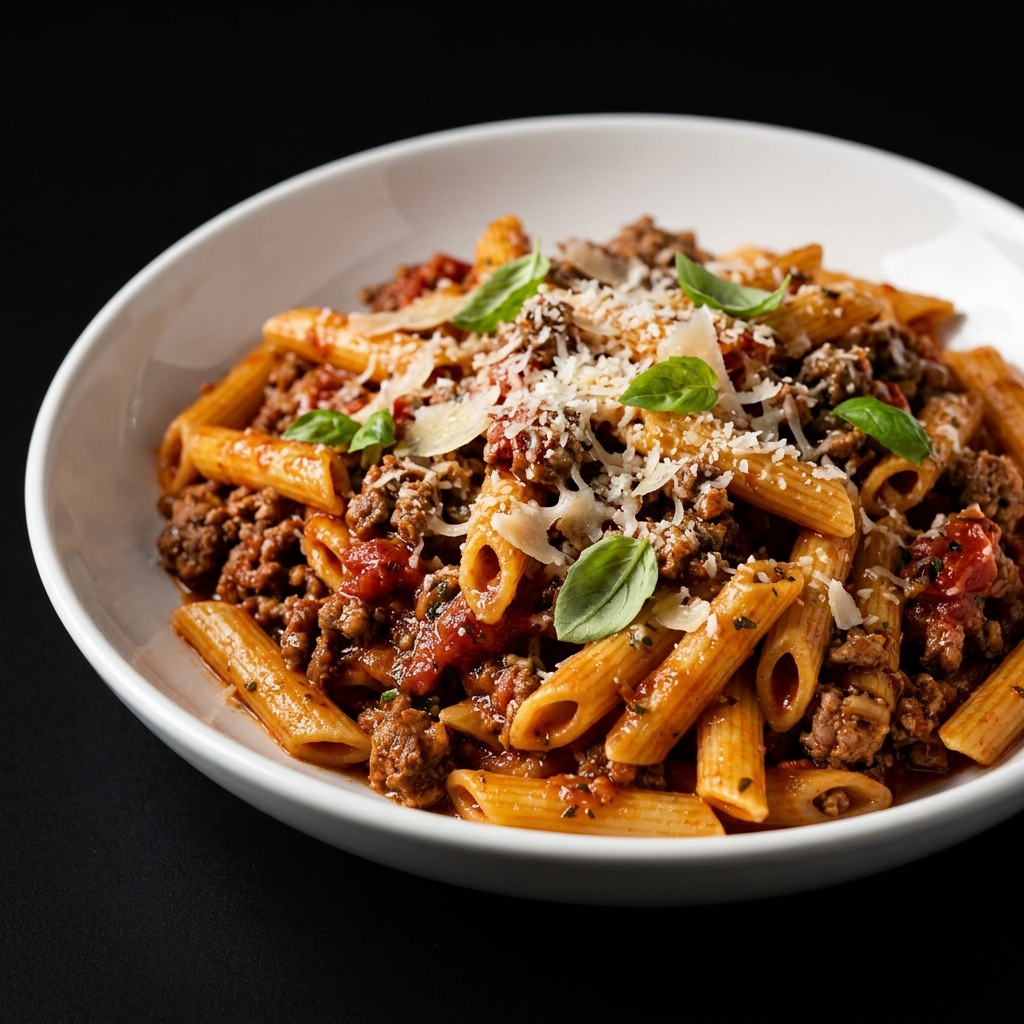
One-Pot Ground Beef Pasta with Tomato Sauce
Ingredients
Equipment
Method
- Heat a large pot over medium-high heat. Add the olive oil if needed, followed by the ground beef. Break the beef into small crumbles and cook for 6–8 minutes until browned and thoroughly cooked. Drain excess fat if necessary.
- Add the diced onion and cook for 3–4 minutes until softened. Stir in the minced garlic and cook for another 30–60 seconds.
- Add the tomato paste, Italian seasoning, paprika, black pepper, salt, and optional red pepper flakes. Cook for 1–2 minutes, stirring to combine.
- Pour in the crushed tomatoes and beef broth. Stir well, scraping up any browned bits from the bottom of the pot. Bring the mixture to a gentle boil.
- Add the uncooked pasta and stir until it is mostly submerged in the liquid. Reduce the heat to medium-low and simmer gently, stirring every 2–3 minutes.
- Cook for approximately 10–15 minutes, or according to the pasta package instructions, until the pasta is tender but still slightly firm. Add small amounts of extra broth or water if the sauce becomes too thick before the pasta is cooked.
- Turn off the heat and stir in the Parmesan cheese and most of the fresh basil. Adjust the salt and pepper to taste.
- Let the pasta rest for 2–3 minutes. If the sauce becomes too thick, add a splash of warm broth and stir.
- Serve warm, garnished with the remaining basil, extra Parmesan, and fresh parsley if desired.
Notes


Emma Carter is a passionate home cook and recipe creator who loves making delicious, simple meals everyone can enjoy. She shares easy recipes, helpful cooking tips, and inspiring food ideas to make everyday cooking more enjoyable.