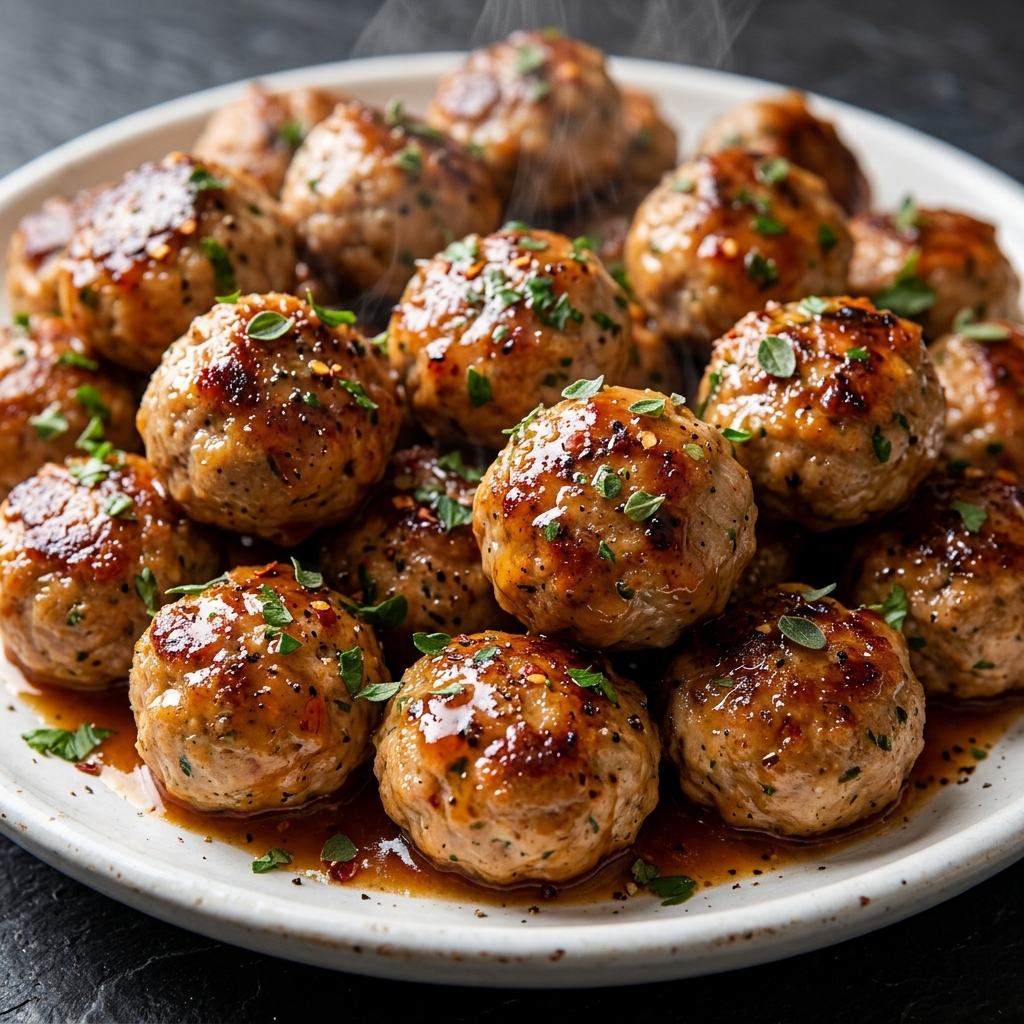
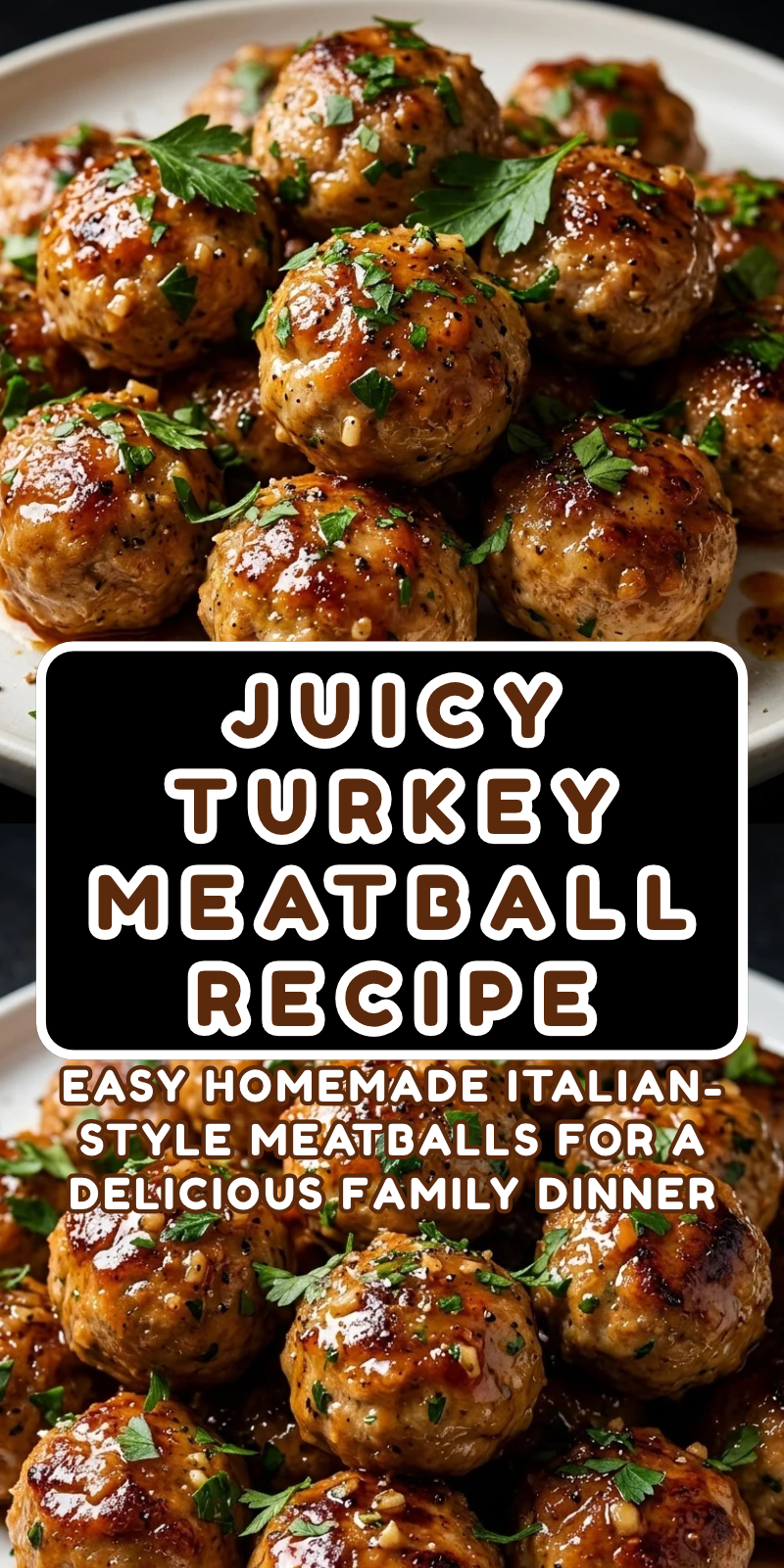
If you love tender, flavorful meatballs with a beautifully golden-brown exterior and a deliciously juicy center, this Juicy Turkey Meatball Recipe is about to become a favorite in your kitchen! Made with simple ingredients, fresh herbs, garlic, and Parmesan cheese, these homemade turkey meatballs are packed with flavor, easy to prepare, and perfect for a satisfying family dinner.
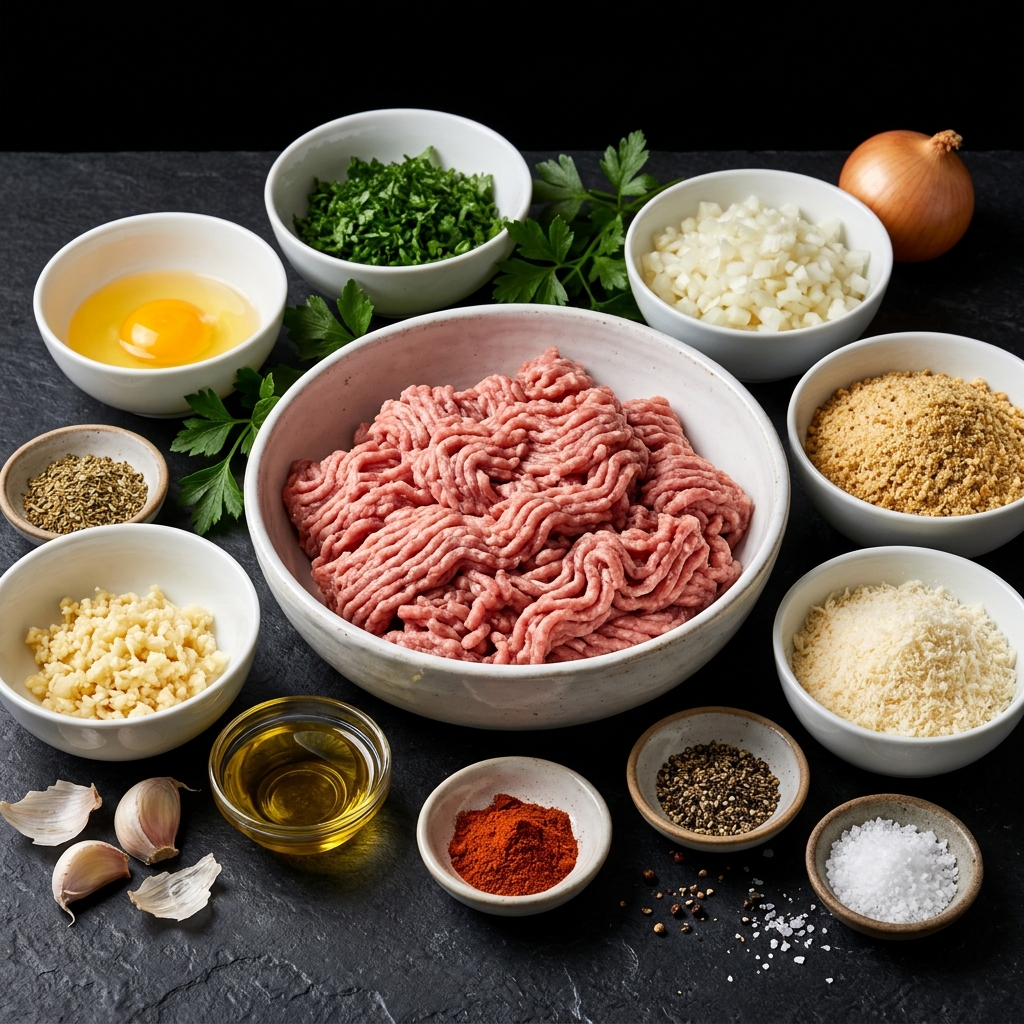
Ingredients for Juicy Turkey Meatballs
The secret to delicious turkey meatballs is combining the right ingredients to create a mixture that stays moist, holds together beautifully, and develops plenty of flavor as it cooks. Each ingredient has an important role, from keeping the meatballs tender to giving them their irresistible savory taste.
Main Ingredients
-
1 pound ground turkey: Ground turkey is the foundation of this recipe. Choose ground turkey with a little fat rather than an extremely lean variety to help keep the meatballs moist and flavorful.
-
1 large egg: Acts as a binder, helping the ingredients hold together while the meatballs cook.
-
½ cup breadcrumbs: Help absorb moisture and create a tender texture. Plain or Italian-seasoned breadcrumbs both work well.
-
¼ cup grated Parmesan cheese: Adds a rich, savory, slightly nutty flavor that complements the turkey.
-
¼ cup finely diced onion: Adds natural sweetness and moisture. Dice the onion very finely so it blends evenly into the mixture.
-
2 cloves garlic, minced: Gives the meatballs a delicious aromatic flavor.
-
2 tablespoons fresh parsley, finely chopped: Adds freshness, color, and a subtle herbal taste.
-
1 tablespoon olive oil: Helps add moisture and richness to the meatball mixture.
-
1 teaspoon Italian seasoning: Provides a balanced combination of herbs that enhances the overall flavor.
-
½ teaspoon paprika: Adds gentle warmth and beautiful color.
-
½ teaspoon salt: Brings out the natural flavors of the ingredients.
-
¼ teaspoon ground black pepper: Adds a mild peppery kick.
For the Garlic Herb Sauce
-
2 tablespoons olive oil: Used as the base for cooking the garlic and developing the sauce.
-
2 cloves garlic, minced: Adds a fragrant garlic flavor.
-
½ cup chicken broth: Provides moisture and a savory base for the sauce. Use low-sodium broth if preferred.
-
1 tablespoon butter: Gives the sauce a smooth, rich finish.
-
1 tablespoon fresh parsley, chopped: Adds freshness and color.
-
1 teaspoon lemon juice: Brightens the sauce and balances its richness.
-
¼ teaspoon black pepper: Adds a little extra seasoning.
-
Salt to taste: Adjust according to the saltiness of your broth and Parmesan cheese.
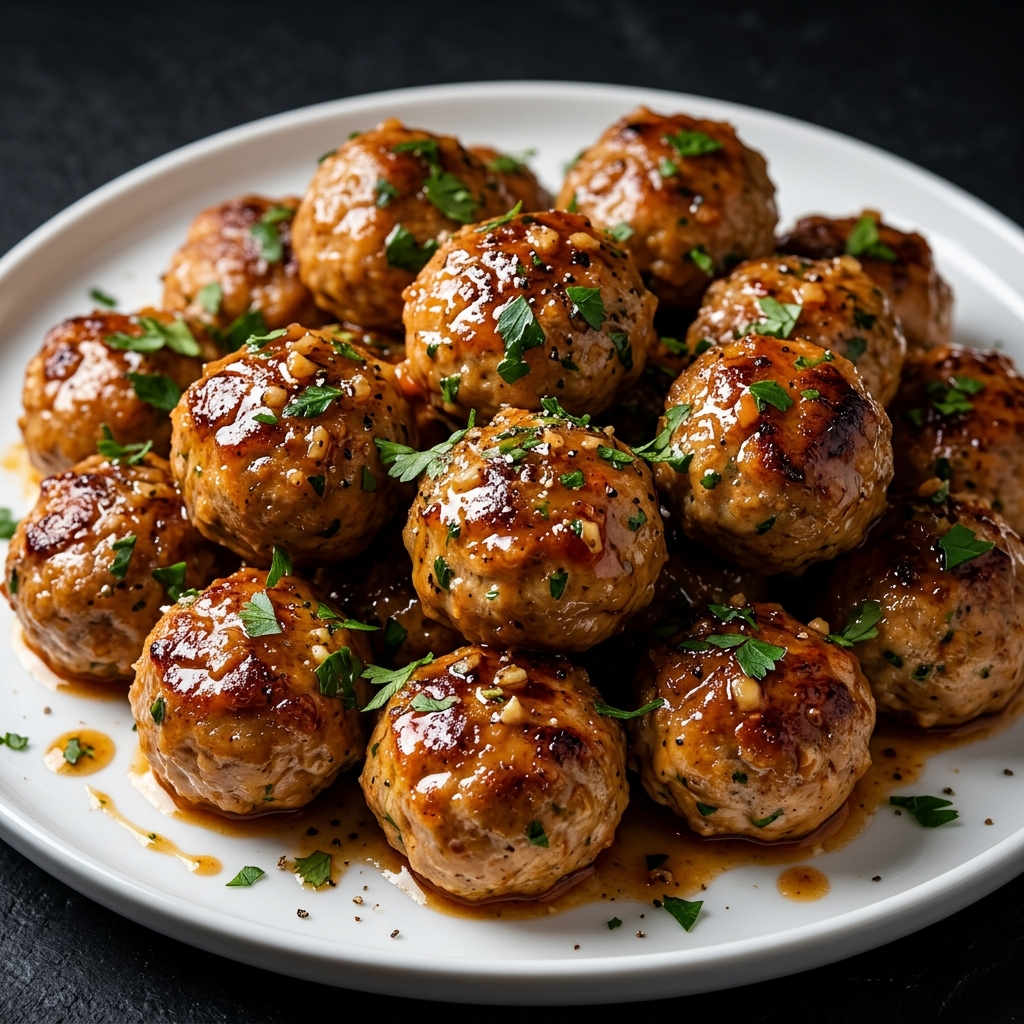
How to Make Juicy Turkey Meatballs
Making homemade turkey meatballs is easier than you might think. The key is to combine the ingredients gently, shape the meatballs evenly, and cook them until they are just done. Follow these steps for deliciously tender meatballs with a beautiful golden exterior.
Step 1: Prepare the Ingredients
Start by gathering all your ingredients and preparing them before mixing the meatball mixture.
Finely dice the onion, mince the garlic, chop the parsley, and grate the Parmesan cheese if you are using a block.
Measure the breadcrumbs, Italian seasoning, paprika, salt, and black pepper.
Having everything ready makes the preparation process smoother and helps ensure that the seasonings are distributed evenly throughout the turkey mixture.
If your ground turkey has been refrigerated, keep it cold until you are ready to mix. Cold ground turkey is easier to handle and shape.
Step 2: Combine the Meatball Ingredients
In a large mixing bowl, add the ground turkey, egg, breadcrumbs, Parmesan cheese, diced onion, minced garlic, fresh parsley, olive oil, Italian seasoning, paprika, salt, and black pepper.
Using clean hands or a fork, gently combine everything until the ingredients are evenly distributed.
Be careful not to overmix. Ground turkey is relatively delicate, and mixing it too aggressively can produce dense, tough meatballs.
The mixture should feel moist but firm enough to hold its shape when rolled.
If it seems excessively wet, add a tablespoon of breadcrumbs at a time until it becomes easier to handle. If it feels too dry, a small splash of olive oil or chicken broth can help.
Step 3: Shape the Turkey Meatballs
Slightly dampen your hands with water or lightly coat them with olive oil to prevent the mixture from sticking.
Scoop approximately 1½ tablespoons of the turkey mixture and gently roll it between your palms to form a round meatball.
Repeat until all the mixture has been used.
Aim for meatballs of similar size so they cook evenly. Avoid squeezing them too tightly, as compact meatballs can become dense after cooking.
Place the shaped meatballs on a clean plate or parchment-lined baking sheet.
If the mixture feels particularly soft, refrigerate the shaped meatballs for approximately 15–20 minutes. This helps them firm up and makes them easier to handle during cooking.
Step 4: Heat the Skillet
Place a large nonstick or stainless-steel skillet over medium heat.
Add approximately one tablespoon of olive oil and allow it to heat until it becomes slightly shimmering.
Avoid letting the oil smoke, as excessively high heat can cause the outside of the meatballs to brown too quickly before the centers are cooked.
Carefully arrange the meatballs in the skillet, leaving enough space between them.
If necessary, cook them in batches rather than overcrowding the pan.
Step 5: Brown the Meatballs
Allow the meatballs to cook undisturbed for approximately 2–3 minutes on the first side until they develop a beautiful golden-brown crust.
Gently turn them using tongs or a spatula to brown the remaining sides.
Continue cooking for several minutes, turning occasionally to encourage even browning.
The goal is to develop a delicious exterior without burning the garlic or overcooking the meat.
Depending on their size, the meatballs may need approximately 10–14 minutes of total cooking time. However, cooking time is only an estimate, not a reliable way to determine whether ground turkey is safe to eat.
The thickest part of each meatball should reach an internal temperature of 165°F (74°C), measured with an instant-read food thermometer.
Once cooked, transfer the meatballs to a clean plate and loosely cover them while you prepare the sauce.
Step 6: Prepare the Garlic Herb Sauce
Using the same skillet, reduce the heat to medium-low.
Add the remaining olive oil if the pan looks dry, followed by the minced garlic.
Stir for approximately 30 seconds until fragrant. Be careful not to burn the garlic, as burnt garlic can make the sauce taste bitter.
Pour in the chicken broth and gently scrape the bottom of the skillet with a wooden spoon to release the flavorful browned bits left behind by the meatballs.
These browned bits add extra savory depth to the sauce.
Allow the broth to simmer for approximately 2–3 minutes so it reduces slightly.
Add the butter, lemon juice, black pepper, and chopped parsley. Stir until the butter melts and the sauce becomes smooth and glossy.
Taste the sauce and adjust the salt if necessary.
Step 7: Return the Meatballs to the Skillet
Carefully return the cooked turkey meatballs to the skillet.
Gently turn them in the garlic herb sauce until each one is lightly coated.
Allow everything to simmer together for approximately 2 minutes so the flavors can blend.
Avoid prolonged simmering because the meatballs are already cooked and additional cooking can make them dry.
If the sauce becomes too thick, add a small splash of chicken broth. If it is too thin, allow it to simmer briefly until it reaches your preferred consistency.
Step 8: Garnish and Serve
Remove the skillet from the heat.
Sprinkle additional fresh parsley over the meatballs and add a little freshly ground black pepper if desired.
Transfer the meatballs to a modern serving plate or serve them directly from the skillet.
Spoon some of the remaining garlic herb sauce over the top.
For an attractive presentation, arrange the meatballs close together and finish with a light sprinkle of Parmesan cheese.
Serve immediately while warm and juicy.
Recipe Variations
One of the best things about homemade turkey meatballs is how easily you can change their flavor. With a few simple ingredient adjustments, you can create different versions to suit your preferences, available ingredients, or dinner menu.
1. Baked Turkey Meatballs
If you prefer a hands-off cooking method, baked turkey meatballs are an excellent alternative.
Preheat your oven to 400°F (200°C). Arrange the shaped meatballs on a lightly greased or parchment-lined baking sheet, leaving space between each one.
Bake for approximately 18–22 minutes, depending on their size, until the centers reach 165°F (74°C).
For a more golden exterior, lightly brush the meatballs with olive oil before baking.
You can prepare the garlic herb sauce separately and toss the cooked meatballs in it before serving.
2. Turkey Meatballs in Tomato Sauce
For a classic comfort-food version, replace the garlic herb sauce with a rich tomato sauce.
Prepare your favorite tomato sauce using crushed tomatoes, garlic, onion, olive oil, Italian seasoning, salt, and black pepper.
Once the meatballs are browned and cooked to 165°F (74°C), gently coat them in the tomato sauce.
Allow everything to simmer briefly so the flavors combine.
This variation is especially delicious served over spaghetti, penne, or your favorite pasta.
3. Cheesy Turkey Meatballs
If you love cheesy meals, this variation is worth trying.
Add a little extra grated Parmesan to the meatball mixture. You can also place a small cube of mozzarella cheese in the center of each meatball before shaping it completely around the cheese.
Cook the meatballs until they reach the required internal temperature.
When you cut into them, the melted mozzarella creates a deliciously cheesy center.
4. Spicy Turkey Meatballs
For anyone who enjoys a little heat, spicy turkey meatballs are an excellent option.
Add ½ teaspoon of red pepper flakes and a pinch of cayenne pepper to the meatball mixture.
You can also add a little hot sauce to the garlic herb sauce.
Adjust the amount of spice according to your preference.
5. Gluten-Free Turkey Meatballs
You can easily adapt this recipe for a gluten-free diet.
Replace the regular breadcrumbs with certified gluten-free breadcrumbs or finely ground almond flour.
Check that your chicken broth, seasonings, and other packaged ingredients are also labeled gluten-free.
The result is a flavorful, tender turkey meatball recipe without conventional wheat-based breadcrumbs.
6. Low-Carb and Keto Turkey Meatballs
For a lower-carbohydrate version, replace the breadcrumbs with almond flour or finely crushed pork rinds.
Keep the remaining ingredients low in carbohydrates and avoid serving the meatballs with traditional pasta or sugary sauces.
Serve with cauliflower rice, zucchini noodles, or roasted vegetables for a satisfying low-carb meal.
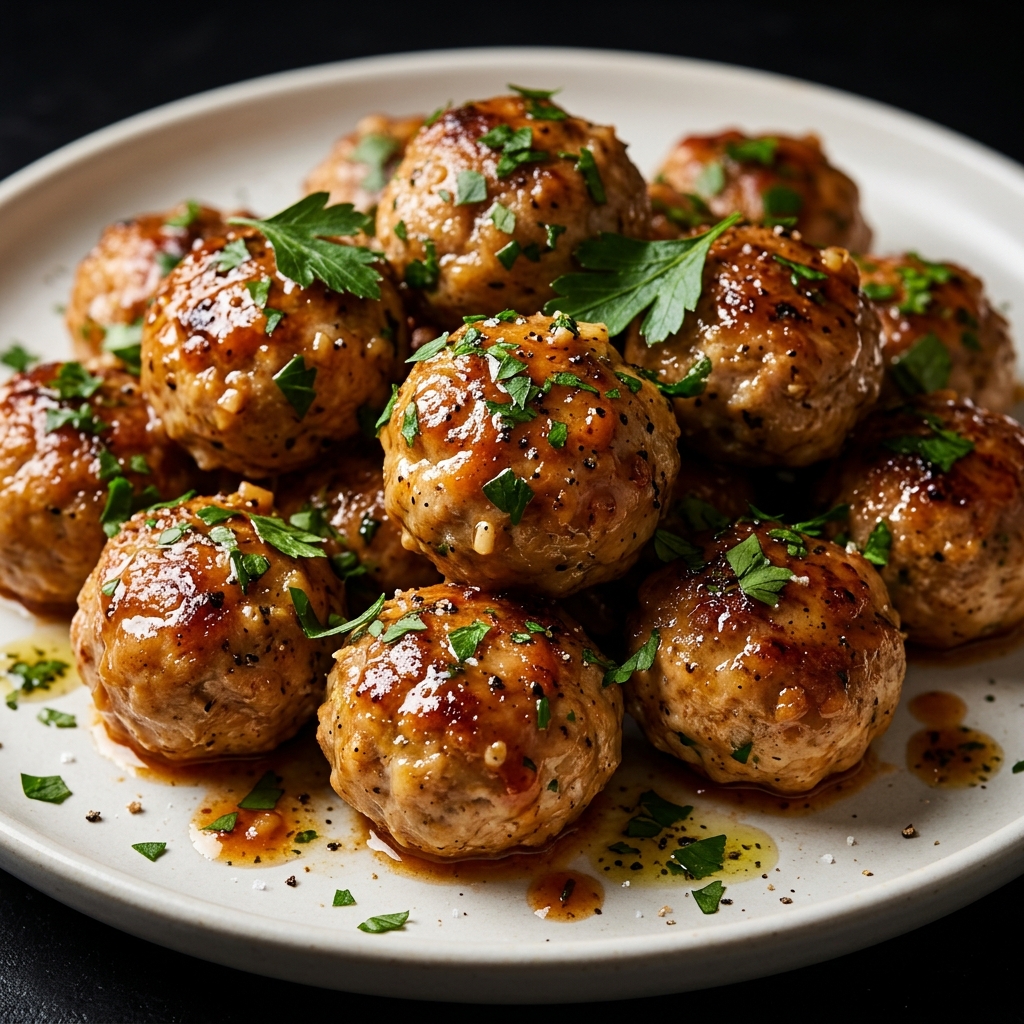
Expert Tips for the Juiciest Turkey Meatballs
Even though turkey meatballs are simple to prepare, a few professional cooking techniques can make a noticeable difference in their texture, appearance, and flavor.
Choose the Right Ground Turkey
Ground turkey is available in different fat percentages. Very lean turkey can be useful for certain meals, but it is more likely to become dry if overcooked.
For particularly juicy meatballs, consider using ground turkey with a little more fat.
The additional fat helps improve moisture and flavor while the meatballs cook.
Avoid Overmixing
This is one of the most important rules for tender meatballs.
Mix the ingredients only until everything is combined. Excessive mixing can make the meatballs compact and firm.
Use your hands gently rather than pressing and squeezing the mixture repeatedly.
Keep the Meatballs Similar in Size
Uniform meatballs cook more evenly.
If some are considerably larger than others, the smaller ones may become dry before the larger ones are fully cooked.
Using a small cookie scoop or measuring spoon can help you create evenly sized portions.
Do Not Overcrowd the Skillet
Giving the meatballs enough space allows them to brown instead of steam.
If your skillet is too crowded, moisture collects around the meatballs, preventing them from developing a beautiful golden crust.
Cook in batches when necessary.
Use a Meat Thermometer
Ground turkey must reach an internal temperature of 165°F (74°C) to be safe to eat.
Check the temperature in the center of the largest meatball.
Avoid relying entirely on color or cooking time, because neither guarantees that the meat has reached a safe temperature.
Let the Meatballs Rest Briefly
After cooking, allow the meatballs to rest for a few minutes before serving.
This gives the juices a little time to settle and makes them easier to handle.
Make the Sauce in the Same Pan
One of the easiest ways to develop deeper flavor is to prepare your sauce in the skillet used to cook the meatballs.
The browned bits left behind contribute extra savory flavor to the garlic herb sauce.
This small technique can make a homemade sauce taste much more developed without requiring additional ingredients.
What to Serve with Juicy Turkey Meatballs
Juicy turkey meatballs are incredibly versatile. Their savory garlic herb flavor pairs beautifully with pasta, vegetables, rice, potatoes, and several other side dishes.
Whether you are preparing a quick family dinner or a more complete weekend meal, here are some delicious serving ideas.
1. Spaghetti or Penne Pasta
Pasta is one of the most popular ways to serve meatballs.
Prepare spaghetti, penne, or another favorite pasta and toss it with a little olive oil or tomato sauce.
Arrange the turkey meatballs on top and finish with freshly grated Parmesan cheese and chopped parsley.
2. Creamy Mashed Potatoes
Soft, buttery mashed potatoes provide a delicious contrast to the savory turkey meatballs.
The creamy texture also works beautifully with the garlic herb sauce.
For extra flavor, add a little roasted garlic, butter, and black pepper to your mashed potatoes.
3. Steamed Rice
Fluffy white rice, brown rice, or basmati rice makes an excellent accompaniment.
The rice absorbs the delicious sauce, making every bite satisfying.
This is also a convenient option when you want an easy dinner without preparing several complicated side dishes.
4. Roasted Vegetables
Roasted vegetables add color, texture, and nutritional variety to your meal.
Consider serving the meatballs with:
-
Roasted broccoli.
-
Caramelized carrots.
-
Roasted zucchini.
-
Bell peppers.
-
Green beans.
-
Roasted cauliflower.
-
Brussels sprouts.
Season the vegetables with olive oil, garlic, salt, and black pepper before roasting.
5. Garlic Bread
Crispy garlic bread is a wonderful choice, especially when serving turkey meatballs with tomato or garlic herb sauce.
Its crunchy exterior and soft center make it perfect for soaking up any remaining sauce.
6. Zucchini Noodles
If you prefer a lighter meal, zucchini noodles are an excellent alternative to traditional pasta.
Lightly sauté them with olive oil and garlic, then serve the turkey meatballs on top.
They work particularly well with the low-carb version of this recipe.
7. Fresh Garden Salad
A fresh salad provides a refreshing contrast to the warm, savory meatballs.
Combine lettuce, cucumber, cherry tomatoes, red onion, and shredded carrots.
Finish with a simple lemon vinaigrette or olive oil dressing.
8. Cauliflower Rice
Cauliflower rice is another excellent low-carb side dish.
Its mild flavor complements the garlic herb sauce without overpowering the turkey meatballs.
Season it with a little garlic, olive oil, and fresh parsley.
How to Store and Reheat Turkey Meatballs
Proper storage helps preserve the flavor and texture of homemade turkey meatballs, making them convenient for meal preparation and busy weekdays.
Refrigerating Leftovers
Allow the cooked meatballs to cool slightly before transferring them to an airtight food-safe container.
Refrigerate within two hours of cooking.
Store them with their sauce to help prevent them from drying out.
Properly refrigerated cooked turkey meatballs can generally be kept for 3–4 days.
Freezing Turkey Meatballs
Turkey meatballs freeze very well, making this recipe ideal for preparing ahead.
Allow the cooked meatballs to cool, then arrange them in a single layer on a baking sheet.
Freeze until firm, then transfer them to a freezer-safe container or resealable freezer bag.
Label the container with the preparation date.
For best quality, use frozen cooked meatballs within approximately 2–3 months.
You can also freeze them with their sauce in individual meal-sized portions.
Reheating on the Stovetop
Place the meatballs and sauce in a skillet over medium-low heat.
Add a small splash of chicken broth or water if the sauce has thickened.
Cover and heat gently, turning the meatballs occasionally until they are thoroughly heated.
Reheating in the Microwave
Place the meatballs in a microwave-safe dish and add a little sauce or broth.
Cover loosely and heat in short intervals, stirring or turning as needed.
Make sure leftovers reach 165°F (74°C) before serving.
Frequently Asked Questions
1. How Do You Keep Turkey Meatballs Moist?
The best way to keep turkey meatballs moist is to use ground turkey with some fat, include moisture-rich ingredients such as onion and olive oil, and avoid overmixing the meat.
Breadcrumbs and egg also help create a tender texture.
Most importantly, avoid overcooking. Use a food thermometer and remove the meatballs from the heat once their centers reach 165°F (74°C).
2. Is Ground Turkey Better Than Ground Beef for Meatballs?
Both are excellent choices, but they offer different flavors and textures.
Ground turkey has a milder flavor and is often leaner than ground beef. It works particularly well with fresh herbs, garlic, Parmesan, and flavorful sauces.
Ground beef generally has a richer taste because of its higher fat content in many varieties.
The best choice depends on your personal preference and the type of meal you want to prepare.
3. Can I Make Turkey Meatballs Without Breadcrumbs?
Yes! You can prepare turkey meatballs without traditional breadcrumbs.
Almond flour, certified gluten-free breadcrumbs, or finely crushed pork rinds can be useful alternatives.
If you omit breadcrumbs completely, remember that the mixture may have a different texture and may be more difficult to shape.
4. Can I Prepare Turkey Meatballs Ahead of Time?
Absolutely!
You can prepare the meatball mixture, shape the meatballs, and refrigerate them in a covered container for up to 24 hours before cooking.
Keep them refrigerated at 40°F (4°C) or below.
You can also cook the meatballs in advance and refrigerate or freeze them for convenient meals later.
5. Can I Bake Turkey Meatballs Instead of Frying Them?
Yes! Baking is an easy alternative to skillet cooking.
Arrange the shaped meatballs on a prepared baking sheet and bake at 400°F (200°C) for approximately 18–22 minutes, depending on their size.
Check the thickest meatball with a food thermometer to ensure it reaches 165°F (74°C).
Baking also allows you to prepare a larger batch at once.
6. Why Are My Turkey Meatballs Falling Apart?
Turkey meatballs may fall apart when the mixture contains too much moisture, does not have enough binding ingredients, or is handled before developing a crust.
Make sure you use the correct amount of egg and breadcrumbs.
If the mixture feels too soft, add a little more breadcrumbs or refrigerate the shaped meatballs for 15–20 minutes before cooking.
When cooking in a skillet, allow the first side to brown before turning them gently.
7. Can I Use Frozen Ground Turkey?
Yes, but frozen ground turkey should be completely thawed in the refrigerator before preparing the meatball mixture.
Avoid mixing frozen or partially frozen turkey with the other ingredients, as it will be difficult to distribute the seasonings and shape the meatballs evenly.
Once thawed, keep the turkey refrigerated until you are ready to prepare the recipe.
8. What Sauce Goes Best with Turkey Meatballs?
Turkey meatballs pair beautifully with several sauces.
Garlic herb sauce is excellent when you want a savory, buttery flavor. Tomato sauce is ideal for classic pasta dinners, while creamy Parmesan sauce creates a richer comfort-food meal.
You can also try honey garlic sauce, spicy marinara, or a light lemon butter sauce.
9. Are Turkey Meatballs Healthy?
Turkey meatballs can be part of a balanced diet.
Ground turkey provides protein, while ingredients such as parsley, garlic, and onion add flavor without requiring excessive seasoning or heavy sauces.
The overall nutritional value depends on the type of ground turkey, breadcrumbs, cheese, cooking method, portion size, and sauce used.
For a lighter version, choose a suitable lean ground turkey, reduce the Parmesan if desired, and serve with vegetables.
10. How Do I Know When Turkey Meatballs Are Fully Cooked?
The safest way to check is with an instant-read food thermometer.
Insert the thermometer into the center of the thickest meatball. Ground turkey should reach an internal temperature of 165°F (74°C).
Do not rely solely on the outside color or the amount of time spent cooking.
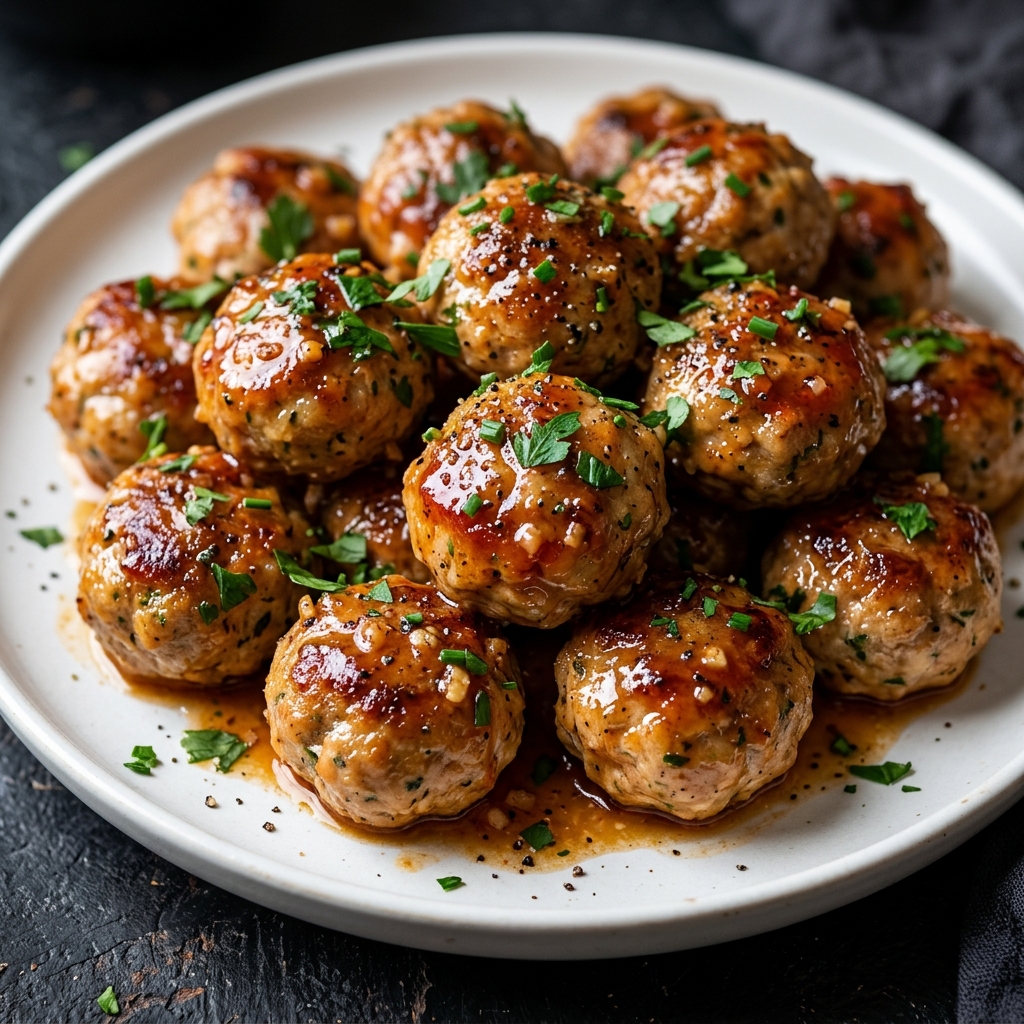
Juicy Turkey Meatballs with Garlic Herb Sauce
Ingredients
Equipment
Method
- Prepare the ingredients by finely chopping the onion and parsley, mincing the garlic, and measuring the seasonings.
- In a large mixing bowl, combine ground turkey, egg, breadcrumbs, Parmesan cheese, onion, garlic, parsley, olive oil, Italian seasoning, paprika, salt, and black pepper.
- Gently mix until all ingredients are combined. Avoid overmixing to keep the meatballs tender.
- Shape the mixture into evenly sized meatballs using approximately 1½ tablespoons of mixture per meatball.
- If the mixture feels too soft, refrigerate the shaped meatballs for 15–20 minutes.
- Heat olive oil in a large skillet over medium heat.
- Arrange the meatballs in the skillet without overcrowding. Brown for approximately 2–3 minutes per side, turning gently.
- Continue cooking until the thickest meatball reaches an internal temperature of 165°F (74°C). Cooking time will vary depending on size.
- Transfer the cooked meatballs to a clean plate.
- In the same skillet, add olive oil if needed, followed by minced garlic. Cook for approximately 30 seconds until fragrant.
- Pour in the chicken broth and scrape the browned bits from the bottom of the skillet.
- Add butter, lemon juice, black pepper, and parsley. Stir until the butter melts and the sauce becomes smooth.
- Return the cooked meatballs to the skillet and gently coat them with the garlic herb sauce.
- Simmer for approximately 2 minutes, garnish with fresh parsley, and serve warm.
Notes
- Avoid overmixing the ingredients to prevent a dense texture.
- Make sure the meatballs reach an internal temperature of 165°F (74°C).
- For gluten-free meatballs, substitute regular breadcrumbs with certified gluten-free breadcrumbs.
- For a low-carb or keto-friendly version, replace breadcrumbs with almond flour or finely crushed pork rinds.
- You can bake the meatballs at 400°F (200°C) for approximately 18–22 minutes instead of pan-frying. Check for the same safe internal temperature.
- Store leftovers in an airtight container in the refrigerator for 3–4 days.
- Freeze cooked meatballs for up to 2–3 months for best quality.
- Serve with spaghetti, mashed potatoes, steamed rice, roasted vegetables, or zucchini noodles.


Emma Carter is a passionate home cook and recipe creator who loves making delicious, simple meals everyone can enjoy. She shares easy recipes, helpful cooking tips, and inspiring food ideas to make everyday cooking more enjoyable.